Adel is the Dallas County seat, west of Des Moines along the Raccoon River, and its older neighborhoods have a good number of homes with fireplaces that haven’t been lit in years. Maybe a previous owner stopped using it, or you’ve just never trusted it. Top Notch Chimney Sweep & Services has been bringing fireplaces back into service around Central Iowa since 2002, and the process is straightforward.
Why a Cold Fireplace Isn’t a Safe One by Default
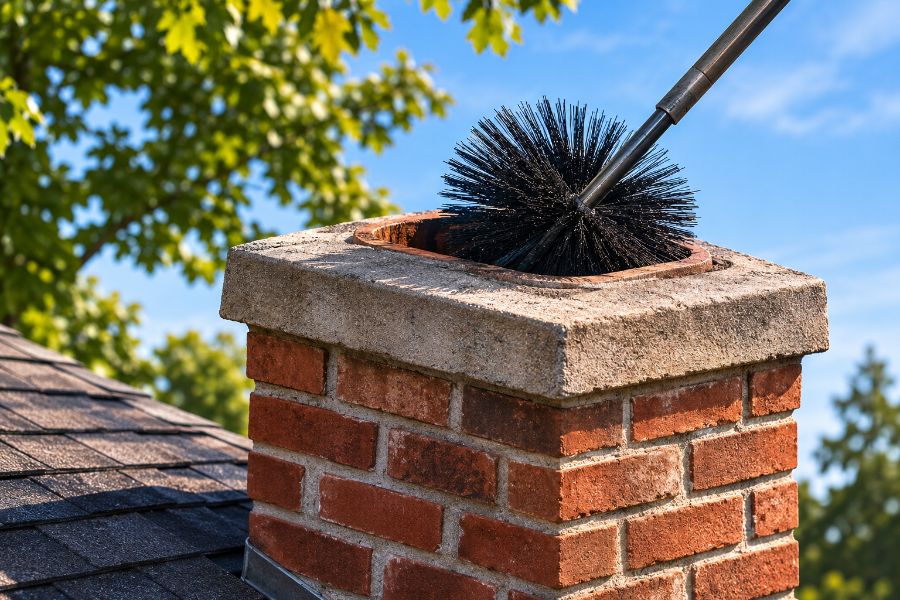
A chimney that hasn’t been used still ages. Water gets in, mortar wears, and animals find a quiet place to nest. Old creosote from the last owner’s fires is still on the flue walls. And you have no record of whether anyone noticed a problem and simply stopped using it rather than fixing it.
Step One: A Full Inspection
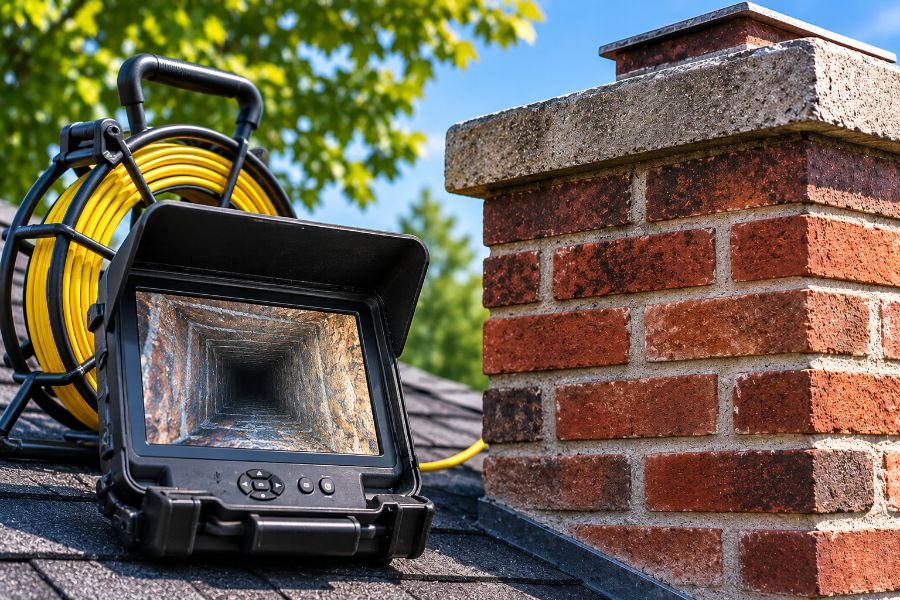
Before anything else, the chimney needs a proper chimney inspection. We’re trained in Level 1 and Level 2 inspections and run a closed-circuit camera up the flue to see the liner, the joints and the smoke chamber. For a chimney with an unknown history, that camera look is the most useful thing we do.
Step Two: Clean It Out
A chimney sweeping removes old creosote, soot and whatever has fallen or been carried into the flue. In a long-unused chimney, that can include nests, leaves and broken pieces of tile.
Step Three: Fix What We Find
Liners
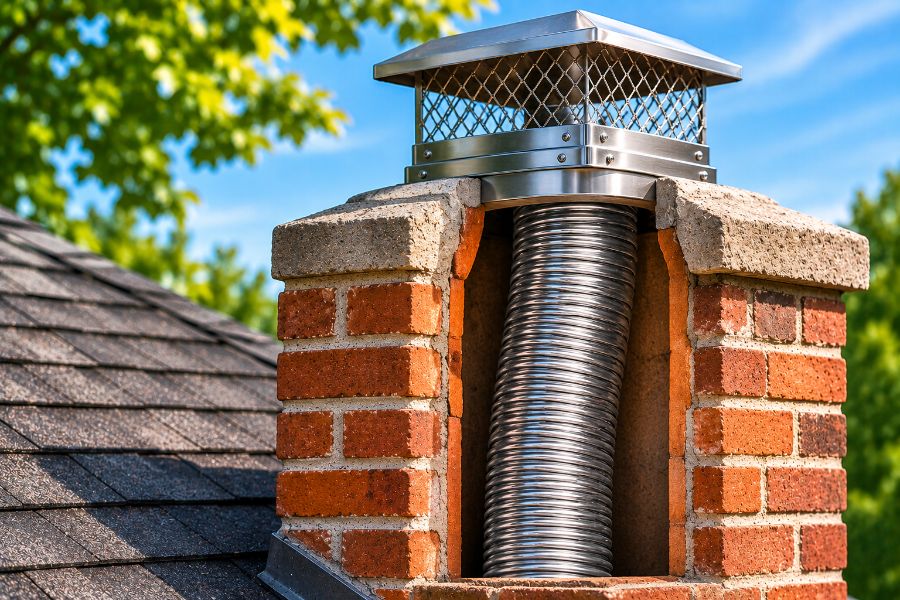
Older chimneys often have clay tile liners with cracked joints, and some very old chimneys were built with no liner at all. A damaged liner can’t contain heat and combustion gases the way it should. Options include a stainless steel liner, approved for all fuels, or restoring the clay tiles with HeatShield, which our technicians are certified to install. See chimney relining for details.
Firebox and damper
Loose firebrick, gaps in the mortar and a rusted-shut damper are common in fireplaces that have sat. These are usually simple fixes.
The top of the chimney
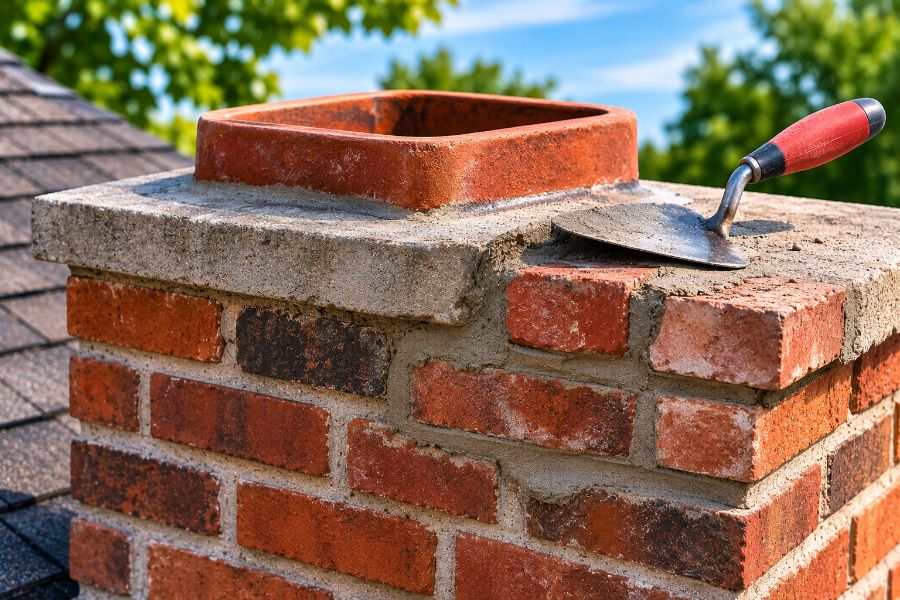
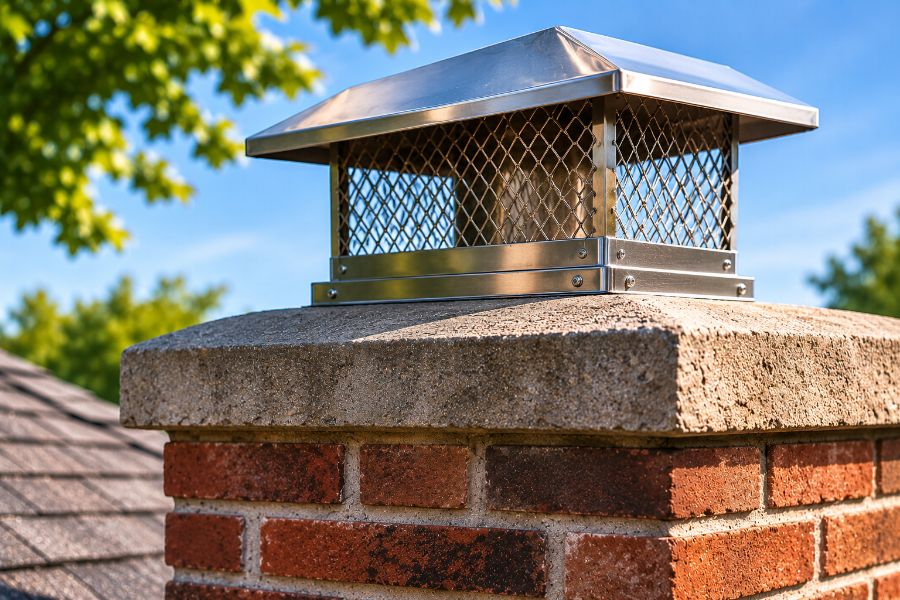
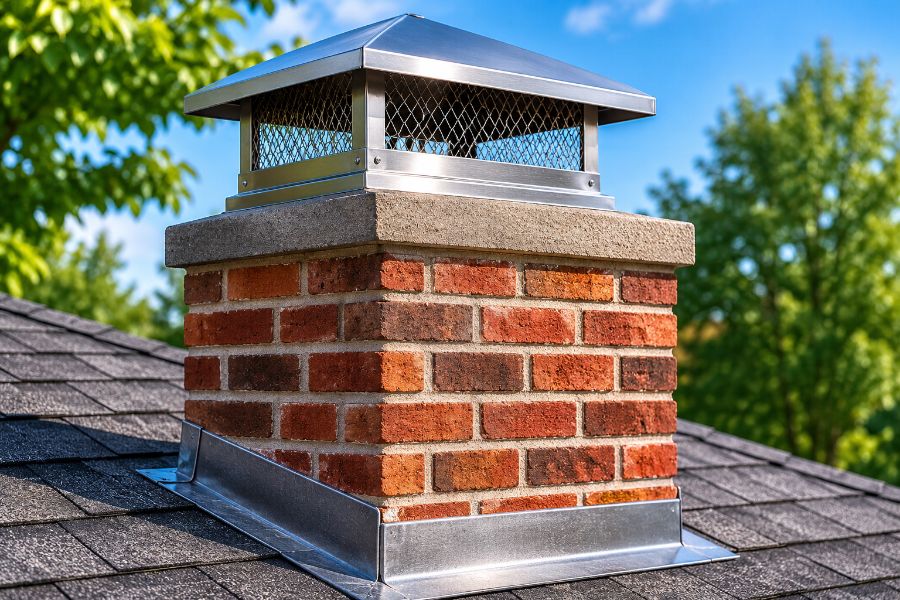
A missing cap or cracked crown should be dealt with now, before more water gets in. Our chimney repairs cover crowns, caps and masonry.
Thinking About Gas Instead?
Some homeowners decide to convert to gas logs or a gas insert rather than burn wood. That’s a reasonable choice, but the chimney still has to vent properly. We can talk through what your chimney needs for either option.
Vented gas logs, for example, need a sound chimney and an open damper to carry their exhaust outside, the same as a wood fire. If the flue is blocked or the damper stays shut, carbon monoxide has nowhere to go but into the room. Converting does not let you skip the inspection; it just changes what we are checking for.
What We’d Like to Know Before We Look
Any history you can find helps. Even small details narrow down what we’re looking for:
- When the fireplace was last used, and why it stopped
- Whether the home’s records mention a chimney fire, a reline or other chimney work
- If the fireplace was ever converted to gas, or had an insert or stove connected
- Any smoke, smells or water you’ve noticed since moving in
Don’t worry if you don’t have answers. The camera fills in most of the gaps, and that’s part of why the inspection matters so much for a chimney with a quiet past.
Water Does the Damage While It Sits
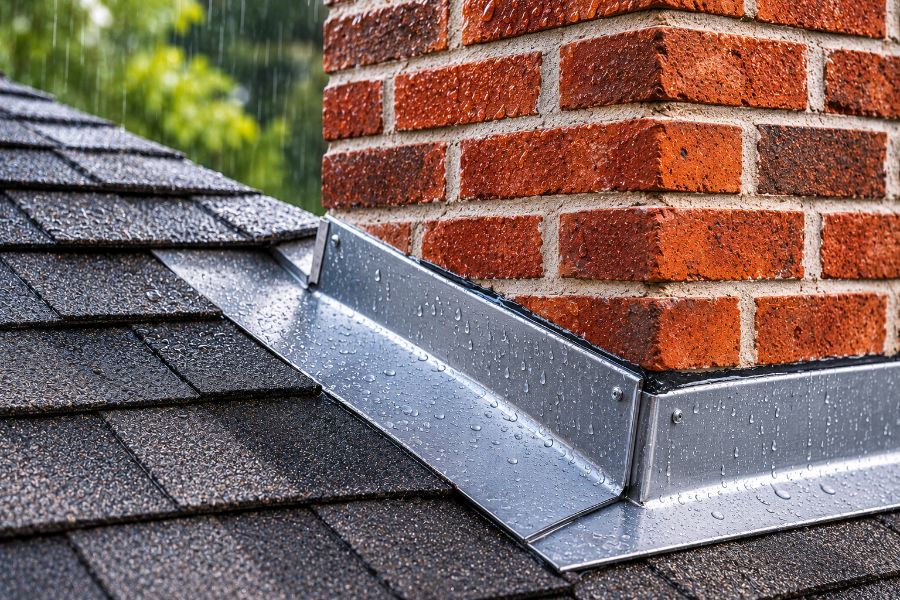
An unused chimney still takes every rain and snowfall that hits it. Without a working cap, water runs straight down the flue onto the damper and smoke shelf. A cracked crown lets water soak into the brick from the top. Each winter, that moisture freezes and expands, and the damage creeps a little further.
By the time someone in Adel decides to light the fireplace again, that slow leak may have rusted the damper shut or loosened the liner tiles. Stopping the water is usually part of the plan, along with repairing what it already damaged.
HeatShield Can Save a Clay Liner
A cracked clay tile liner doesn’t always need to be replaced. If the tiles are structurally sound but have gaps at the joints or cracking across the surface, HeatShield can restore them. It’s a refractory sealant built to handle the heat and corrosive byproducts of fire. We apply it with a custom foam applicator and then check the finished surface with our camera.
When the liner is too far gone, or missing altogether, a stainless steel liner is the stronger option. We’ll show you what we see and explain which approach fits your chimney.
Your First Winter Back
Once the chimney is cleaned, repaired and cleared for use, ease into it. Start with a few small fires using dry, seasoned wood. Watch how the fire draws and whether any smoke drifts into the room. Keep the damper fully open until the embers are out cold.
Pay attention to the glass, the firebox and the room. Anything that seems off is worth a call, and it’s easier to adjust early than after a season of heavy use. Plan on another sweep at the end of that first winter so we can see how the system handled it.
Older Homes Have Other Vents Too
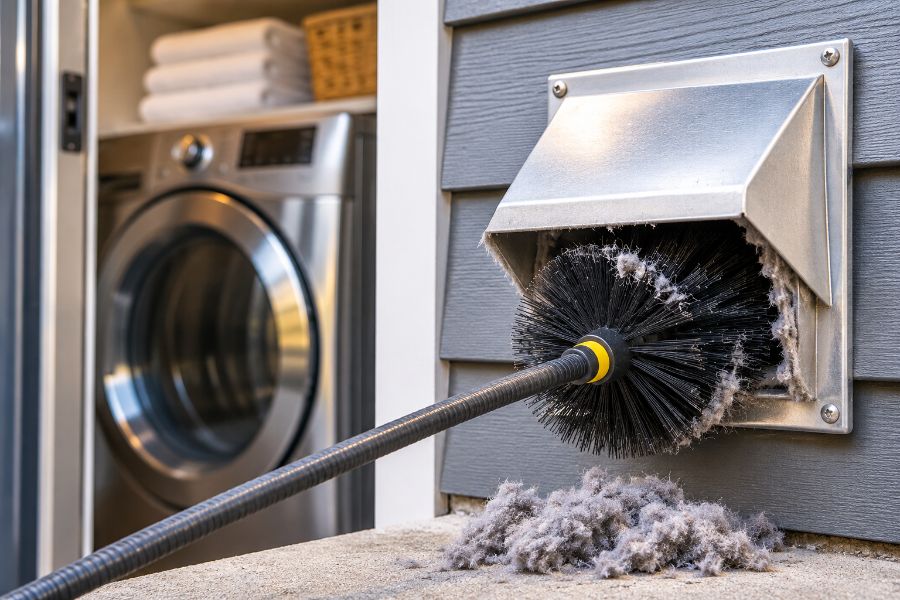
A house that’s been sitting with an unused fireplace may have other neglected vents as well. Dryer vents in older Adel homes sometimes run through basements or crawl spaces using whatever duct was handy when the laundry was moved. Lint collects at every joint and sag. Our dryer vent cleaning clears the run and checks for damaged sections, and it’s an easy add-on to a chimney visit.
Why We Suggest Warm-Weather Repairs
If the inspection turns up masonry or crown work, try to get it scheduled before fall. Mortar and crown material cure best in mild weather, and our schedule has more room April through August. An Adel homeowner who starts the process in spring can usually have the fireplace cleaned, repaired and ready by the first cool evening. Starting in November tends to mean a longer wait, since that’s when our calendar fills with urgent calls.
While you wait for the appointment, keep the damper closed and the fireplace doors shut, and don’t test the chimney with a small fire “just to see.” A flue with an unknown history is exactly the one where a test fire can go wrong. Give us the chance to look first, and you’ll be lighting that fireplace with confidence instead of crossed fingers.
Who Does the Work
Top Notch is run by the Hunkele family. Tom, the owner, is a Past President of the National Chimney Sweep Guild. When we bring a long-idle chimney back to life, the work is handled by people with real credentials, including a Certified Chimney Professional and a CSIA Certified Chimney Sweep.
We also serve Waukee and Dallas Center.
Ready to enjoy that fireplace? Call (515) 249-6337 or set up an inspection.