Granger is a small town northwest of Johnston, right on the line between Dallas and Polk counties. A lot of homeowners here have an open fireplace that looks nice but doesn’t do much to heat the house. A fireplace insert is one of the most common ways to change that. Top Notch Chimney Sweep & Services, a family owned and operated company, has been working on fireplaces and inserts across Central Iowa since 2002.
What an Insert Does
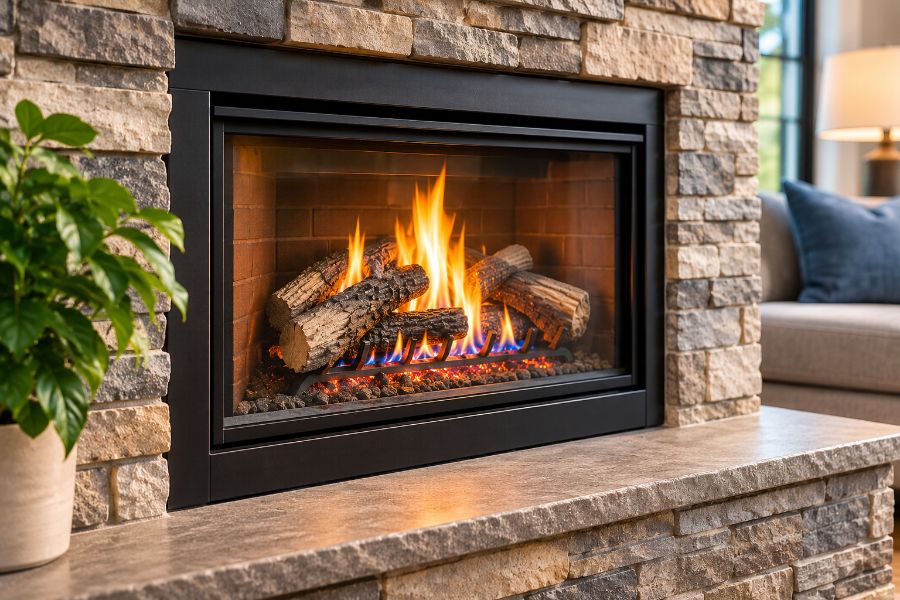
An insert is a closed firebox, wood or gas, that sits inside your existing masonry fireplace. With doors closed and a controlled air supply, it sends far more heat into the room than an open fire. Most of the heat from an open fireplace goes up the chimney, along with some of the warm air from the house.
Wood Inserts
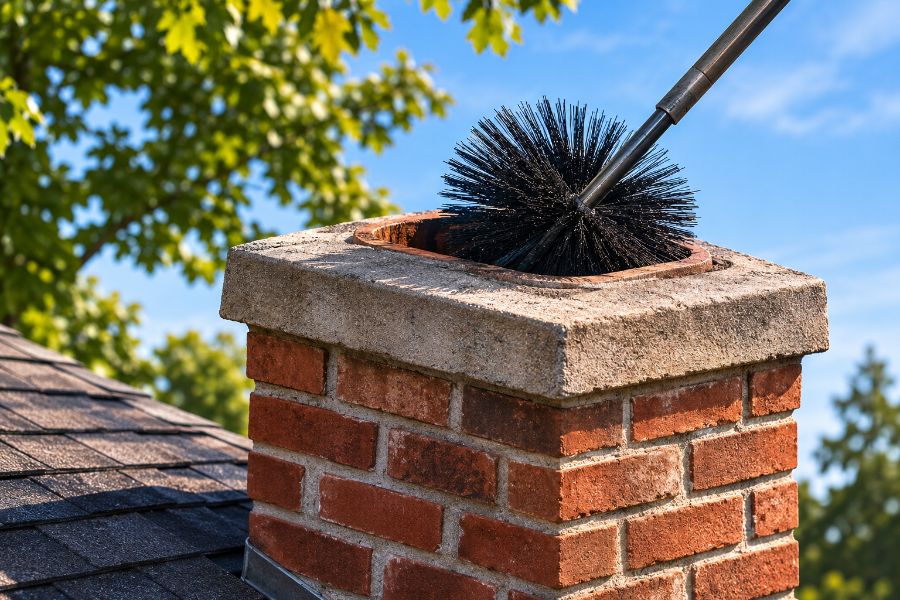
Wood inserts work well for people who like burning wood and want real heat from it. They do need regular care. Because an insert burns with less air than an open fire, it can build creosote quickly, especially with damp wood. Plan on an annual chimney sweeping at minimum, and more often if you burn a lot.
Gas Inserts
Gas inserts are convenient: no wood to haul, no ash to clean up. They still need a yearly check of the burner, pilot, glass and venting. Our gas log service covers those items.
The Liner Is Part of the Job
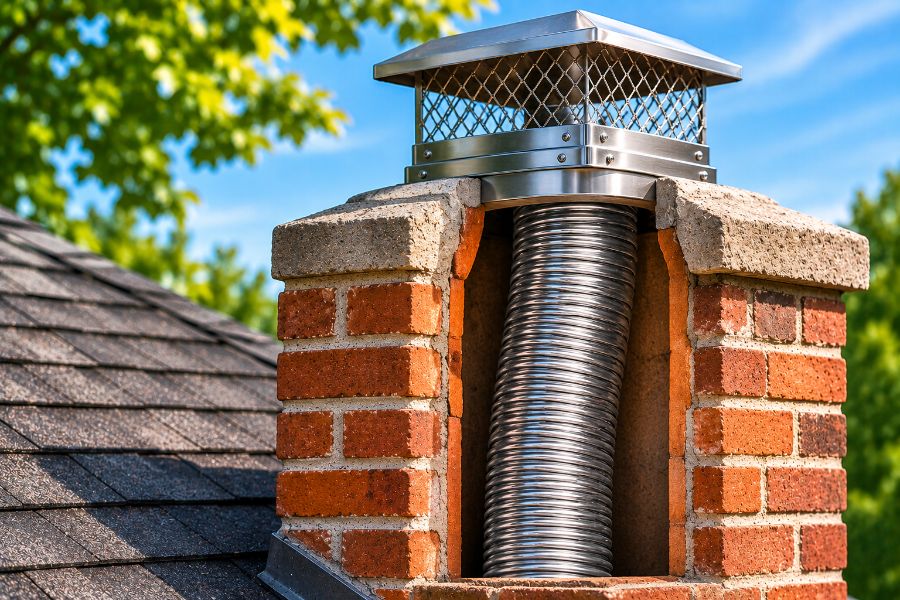
An insert’s flue outlet is much smaller than the original fireplace flue. Connecting it properly usually means running a liner sized for the insert from the top of the chimney down to the unit. This keeps the draft strong, keeps exhaust going where it should, and makes cleaning possible. Stainless steel liners are approved for all fuels and are the most common choice. See chimney relining for more.
Before an insert goes in, we check
- The condition of the existing flue and firebox
- The damper area, which often has to be modified for the liner
- The crown, cap and masonry at the top of the chimney
- Clearances to anything combustible around the fireplace
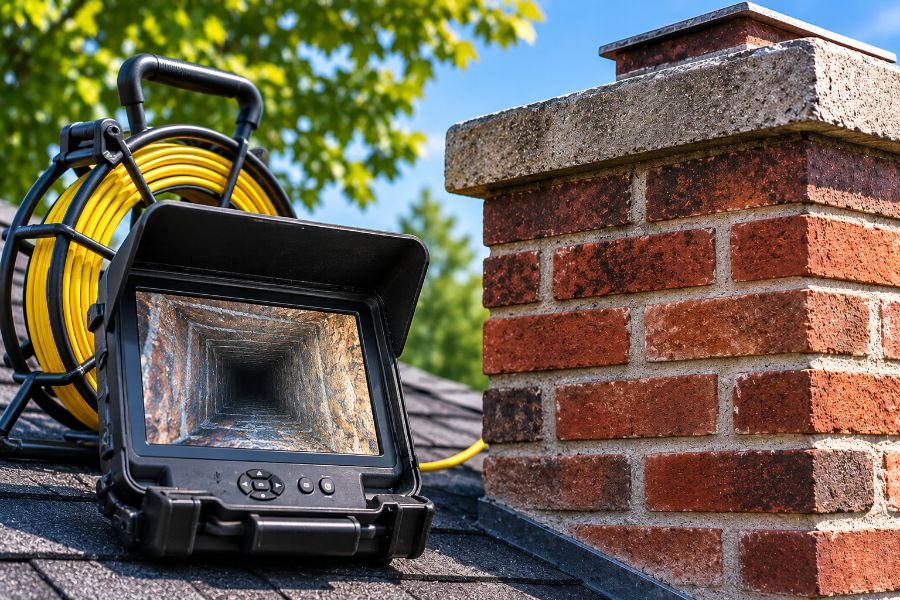
A chimney inspection with our camera is the best starting point.
Already Have an Insert?
Older inserts installed without a full liner, or with one that’s damaged, are worth a closer look. So are units where the glass blackens quickly or smoke leaks when the door opens. We’ll tell you what we see and what your options are.
Getting the Most From a Wood Insert
An insert rewards good habits. Burn dry, seasoned wood and give each new fire plenty of air until it’s burning hot before you turn the air control down. Avoid closing the air all the way to stretch a load overnight. A smoldering fire keeps the flue cool and coats it with creosote much faster than a lively one.
The glass is a handy gauge. If it stays fairly clear, the fire is burning well. If it turns black within an hour, the wood is too wet or the fire isn’t getting enough air. Either way, more creosote is going up the liner.
Signs an Insert Needs Service
- Smoke drifting into the room when you open the door to add wood
- A fire that’s harder to start or slower to catch than it used to be
- Gaps in the door gasket, or a door that no longer latches snugly
- Rust or discoloration on the surround panels
- Pieces of debris falling onto the top of the insert from above
Any of these is a good reason to schedule a sweep and a look at the liner connection.
The Top of the Chimney Still Counts
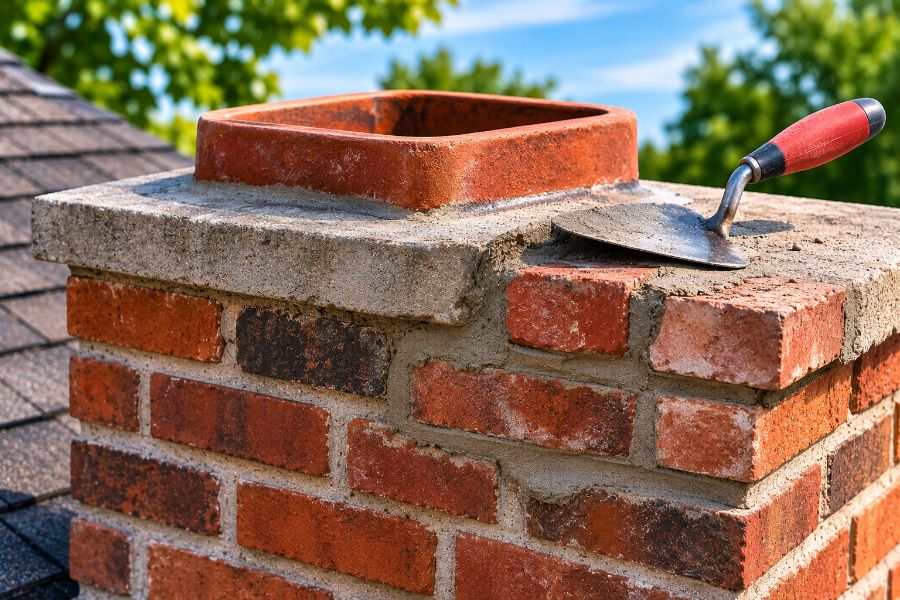
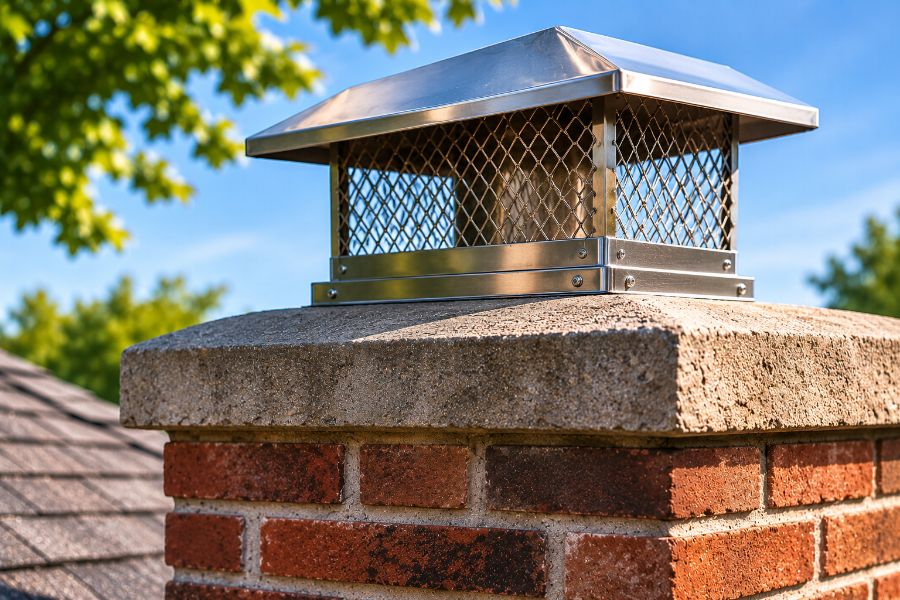
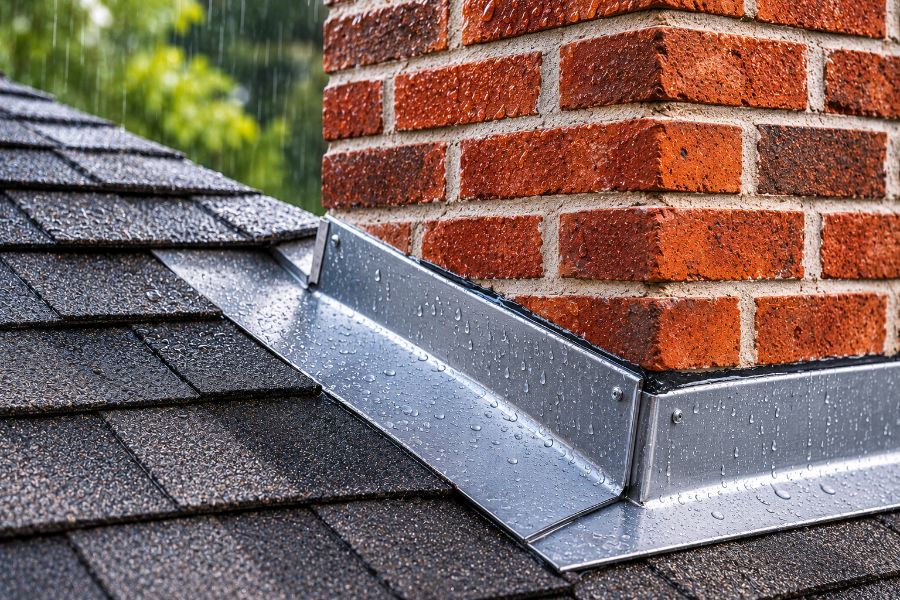
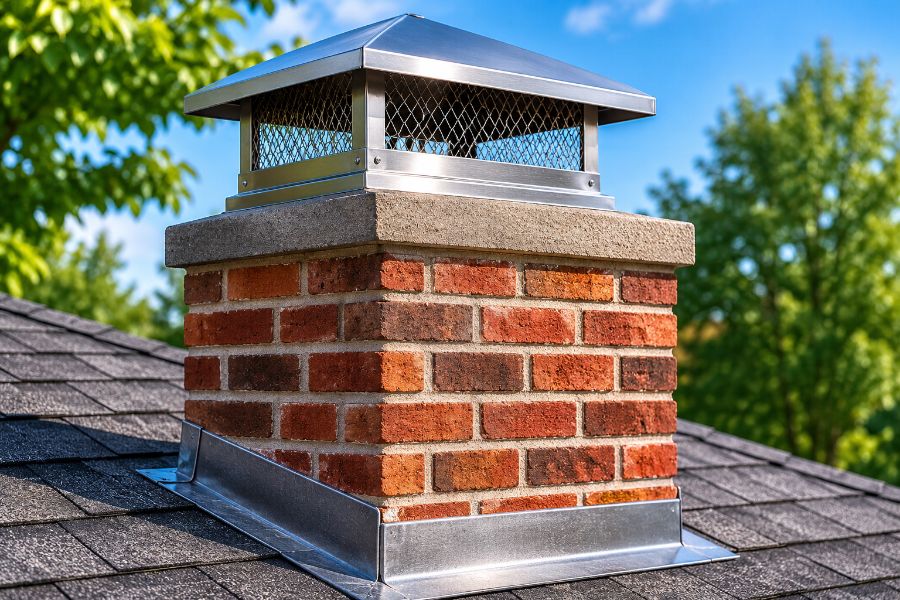
An insert and a new liner are only as good as what protects them from the weather. Granger sits in open country where wind and rain hit the chimney hard. A chimney cap keeps rain, birds and debris out of the liner, and our stainless steel caps carry a lifetime warranty. The crown seals the top of the masonry around the liner. If it’s cracked, water gets into the brick and can work its way down toward the insert.
Before an insert goes in, it’s smart to fix any crown problems at the same time. Our chimney crown repair covers everything from sealing small cracks to building a new crown with the right slope and overhang.
Plan an Insert in the Off-Season
Insert projects take some planning. The chimney needs to be inspected and swept, repairs may be needed first, and the liner has to be sized for the unit. Starting that process in spring or summer, during our April through August off-season, leaves time for every step. Waiting until the first cold weekend usually means waiting longer, because that’s when our schedule fills with urgent calls.
Wood or Gas: A Few Honest Questions
If you’re torn between the two, think about how you’ll actually use it. Do you have a steady source of dry firewood and somewhere to store it? Do you want serious heat on the coldest nights, or mostly a fire to enjoy in the evening? Wood inserts give real warmth and that wood-fire feel, but they ask more of you. Gas inserts start with a switch and need less cleanup.
Plenty of Granger homeowners go either way. Whichever you lean toward, we’ll make sure the chimney is ready for it.
When an Old Fireplace Isn’t Ready Yet
Sometimes the inspection shows the fireplace needs work before an insert makes sense. Cracked firebrick, a damaged smoke chamber or crumbling brick near the top of the chimney should be repaired first. An insert covers up the firebox, so it’s much harder to fix problems behind it later. We’ll let you know what needs to happen and in what order.
Heavy Burners May Need Two Sweeps
If an insert is your main source of heat through a Granger winter, one sweep a year may not be enough. Burning every day from November to March puts a lot of wood through the firebox, and the liner collects creosote along the way. A sweep partway through the season keeps the buildup in check. We’ll look at how much we’re removing each visit and tell you whether a second cleaning is worth adding.
A simple log helps. Jot down the date of each sweep, roughly how much wood you burned that winter and anything odd you noticed, like a smoky start or heavy glass staining. Over a couple of seasons, that record makes it easy to see whether your burning habits or your wood supply are changing how fast the liner gets dirty.
Who You’re Working With
We’re a family company in our 24th year, and every job we do comes with our mess-free promise. Drop cloths go down before tools come out.
We also serve Johnston and Grimes.
Thinking about an insert? Call (515) 249-6337 or schedule a visit.