Madrid is in southern Boone County, north of Des Moines near the Des Moines River and the High Trestle Trail. Like everywhere in Iowa, it gets its share of severe weather: high winds, hail and heavy rain. The chimney is the tallest thing on most roofs, and it takes the brunt of it. Top Notch Chimney Sweep & Services has been checking and repairing chimneys across Central Iowa since 2002.
What Storms Do to Chimneys
Caps blow off
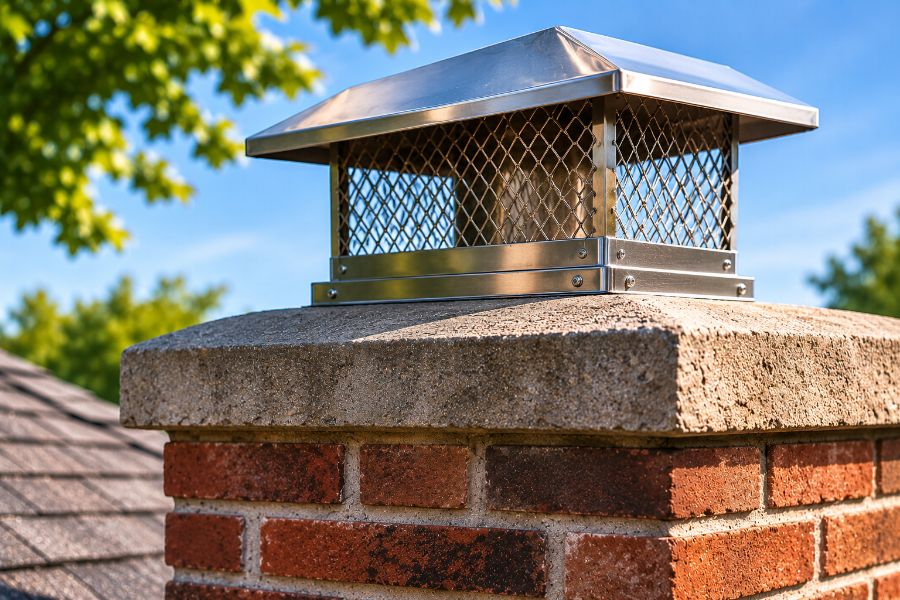
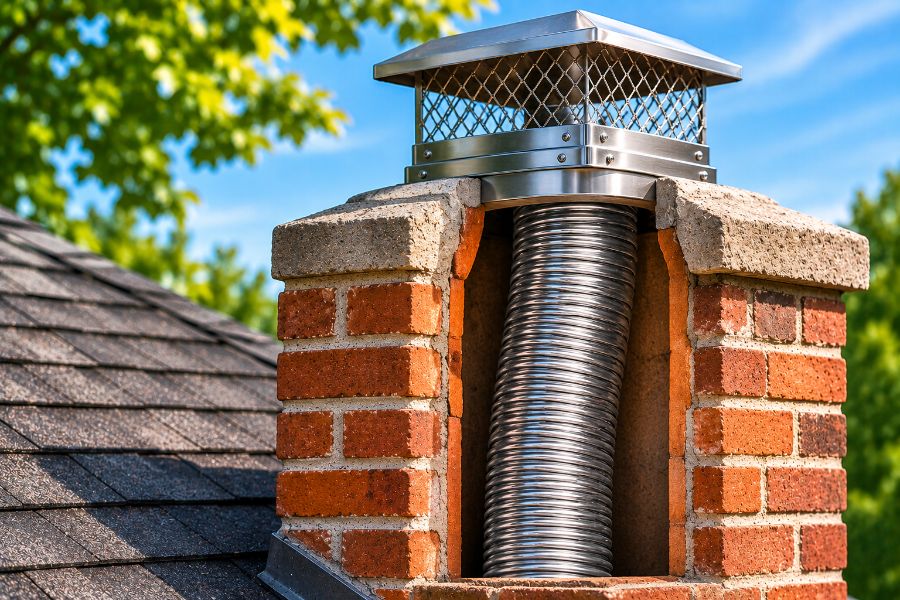
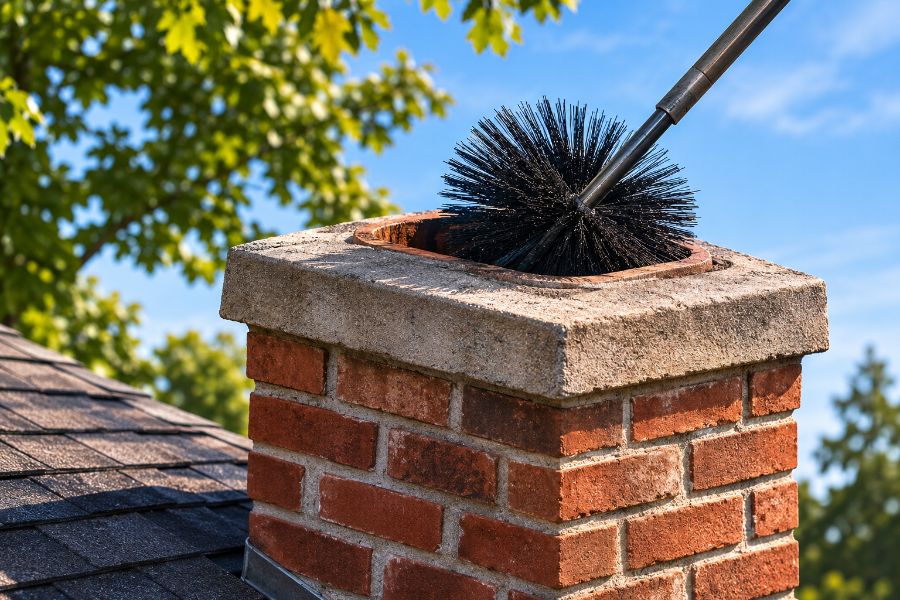
This is one of the most common things we find. A strong wind catches the cap and it’s gone, sometimes into the yard, sometimes down the roof. Without it, rain, birds and debris have an open path into the flue. We replace missing caps; see chimney caps and dampers.
Crowns crack
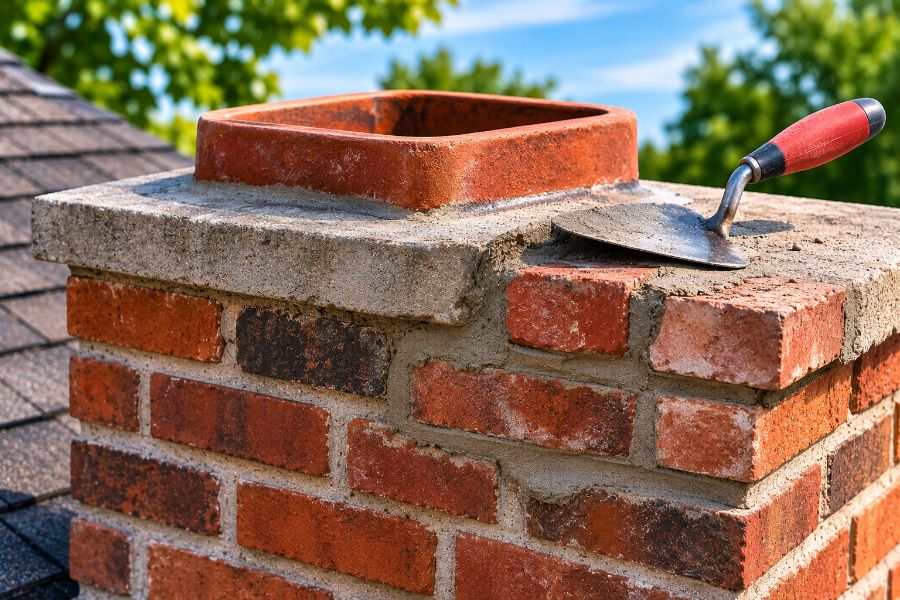
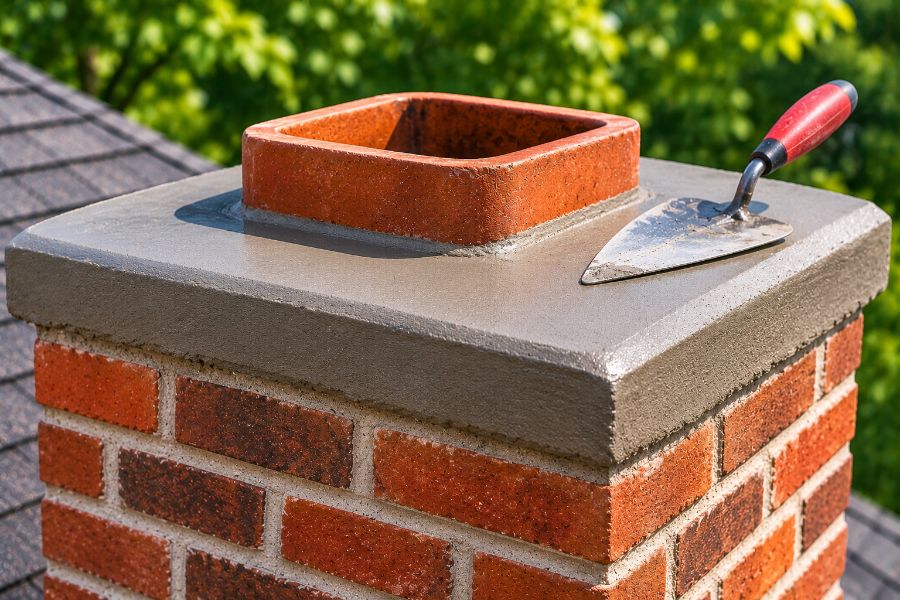
Hail and debris can chip a crown, and a crown that was already cracked takes on more water in a heavy rain. That water then works into the masonry.
Flashing loosens
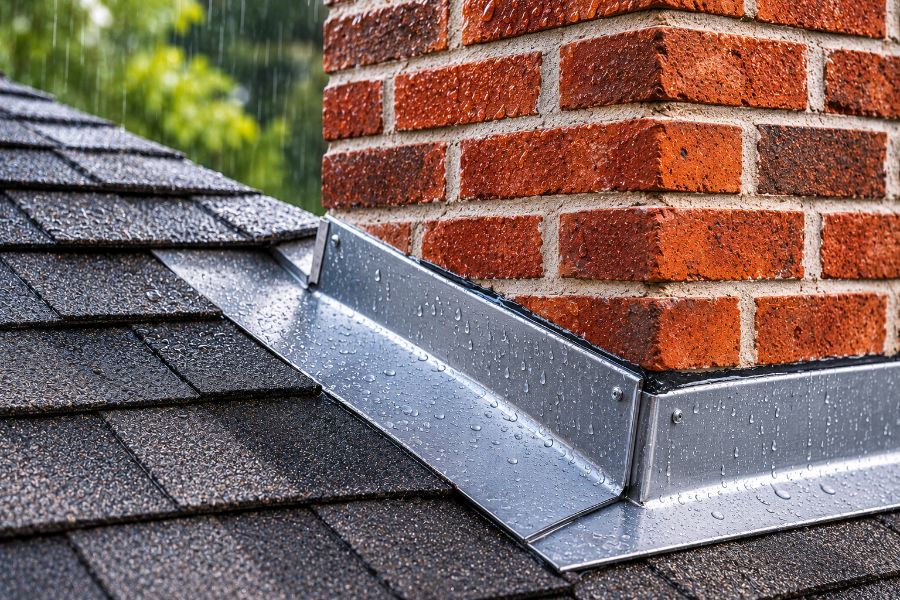
Wind can lift the metal flashing where the chimney meets the roof. Lifted flashing is one of the most common sources of chimney leaks.
Bricks and mortar shift
A falling tree limb or very high winds can loosen bricks at the top of the chimney. Loose masonry can fall, and it can make the chimney unsafe to use.
What to Do After a Storm
- Look at the chimney from the ground with binoculars. Is the cap there? Any missing brick?
- Check for debris in the yard that came from the chimney.
- Look for new water stains on ceilings or walls near the chimney.
- Don’t climb on the roof. Leave that to us.
If anything looks off, hold off on using the fireplace until it’s been checked.
Getting It Checked and Repaired
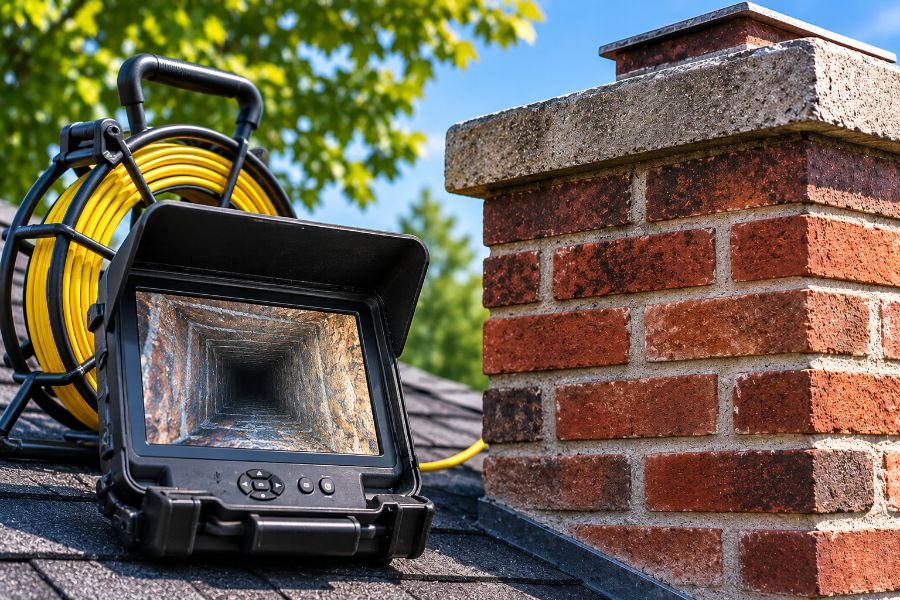
A chimney inspection tells us exactly what was damaged. Our technicians are trained in Level 1 and Level 2 inspections, and a Level 2 is recommended after events like severe weather that could damage the system. We use camera equipment to check the liner as well as the outside.
From there, our chimney repairs cover crowns, masonry and relining, and our waterproofing helps keep water out once things are fixed.
Insurance Questions
We do inspections for homeowners and for insurance agents. A clear record of what we found can help when you’re sorting out a claim.
Hail and the Metal Parts
Hail does its worst damage to the metal on top of a chimney. Caps get dented and their screens torn. On a factory-built fireplace, the flat metal chase cover on top of the framed chase can be pocked with dents that hold water afterward. Standing water rusts a chase cover from the top down, and once it rusts through, water drips straight into the chase.
If you have a prefab fireplace and you’ve had a hailstorm, it’s worth a look even if the roof seems fine. Our factory fireplace repair work includes chase covers and caps made to fit your unit.
Wind Lifts Flashing
Strong winds can pry up the edges of the flashing where the chimney meets the roof. Once an edge lifts, rain gets driven under it, and the next gust lifts it a little more. A leak may not show indoors until weeks later, after the water has worked its way through the roof deck.
Our flashing repair resets or replaces the metal so it lies tight against the chimney again. A fresh bead of caulk over lifted flashing isn’t a real fix.
Trees and the Chimney
Many Madrid homes have mature trees, and those trees are part of what makes a storm hard on chimneys. Limbs that hang over the roof can fall on the chimney top or scrape it in the wind. Leaves and twigs collect on the crown and fall into an uncapped flue.
Keeping branches trimmed back from the chimney reduces storm damage and gives animals fewer ways to reach the top. It also helps smoke clear the roof instead of swirling under the canopy.
When to Call Right Away
Some storm damage can wait for a regular appointment. Some can’t. Call promptly if you see:
- Bricks missing from the top of the chimney, or pieces on the roof
- A chimney that’s leaning or has pulled away from the house
- Water running into the firebox or down an inside wall
- A tree limb resting on or against the chimney
Keep people and pets away from the area below a damaged chimney, and don’t use the fireplace until we’ve checked it.
Storm Damage Grows Over Winter
A summer storm that cracks a crown or loosens a few bricks may not seem urgent in July. The trouble is what happens next. Water that gets into those cracks freezes once winter arrives, expands and widens them. By spring, a small chip can be a crown that needs rebuilding. Getting storm damage fixed during warm months keeps the next winter from making it worse.
Get Ready Before Storm Season
A little prevention helps. Each spring, before the severe weather months, take a look at the chimney from the ground. Make sure the cap is sitting tight and straight, the crown has no obvious cracks, and the flashing lies flat. A cap that’s already loose is the one most likely to end up in your yard after the first big wind. Madrid homeowners who find something loose can have it fixed before the storms do the rest.
Gas Fireplaces After a Storm
If your Madrid home has a gas fireplace or gas logs, storm damage at the top of the chimney matters just as much. A missing cap lets leaves, twigs and nesting material fall into the flue, and a blocked flue can’t carry exhaust out. If you notice soot on the glass or a change in the flame after a storm, shut the unit off and have it checked before using it again.
Take a few photos of the chimney from the ground after any big storm, even if nothing looks wrong. If damage shows up later, pictures of how it looked right after the storm help you and your insurance agent piece together what happened and when.
Experienced With Iowa Weather
We have been looking at storm-damaged chimneys around Central Iowa since 2002, and the company is still family owned and operated. The crew includes a CSIA Certified Chimney Sweep, and a Certified Chimney Professional is on staff. Our owner is a Past President of the National Chimney Sweep Guild.
A missing cap or lifted flashing may not cause a visible problem right away. Water can soak into the chimney for weeks before a stain shows up inside. That’s why we suggest a check after any storm strong enough to bring down branches, even if everything looks fine from the living room.
We also serve Ames and Granger.
Chimney took a hit? Call (515) 249-6337 or schedule an inspection.