
Polk City sits at the north end of Polk County between Saylorville Lake and Big Creek State Park. It’s a great place to live if you like the outdoors. The wildlife likes it too, and an open chimney looks a lot like a hollow tree to a raccoon or a nesting bird. Top Notch Chimney Sweep & Services has been helping Central Iowa homeowners keep their chimneys clear since 2002.
What Moves Into an Uncapped Chimney
The usual suspects are birds, squirrels and raccoons. They bring sticks, leaves, grass and fur, all of which burn easily. A nest can block the flue completely, so the first fire of the fall pushes smoke and carbon monoxide back into the house instead of up and out. Animals also leave droppings and debris behind, and they sometimes get stuck or find their way down into the firebox.
Signs something is living up there
- Scratching or chirping sounds from the fireplace
- Twigs, leaves or debris falling onto the damper or into the firebox
- A musty or animal smell near the fireplace
- Smoke rolling into the room on a fire that used to draw fine
Why the Cap Matters
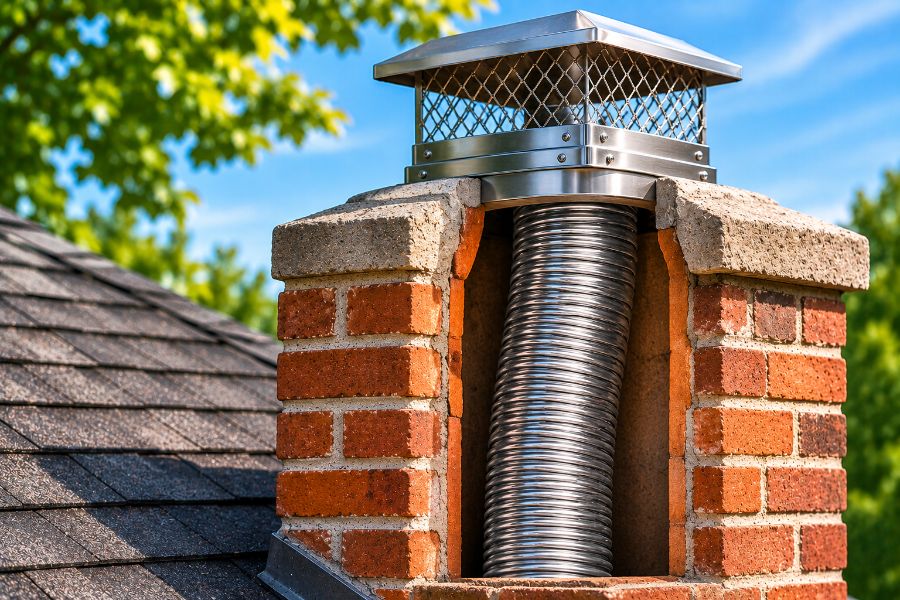
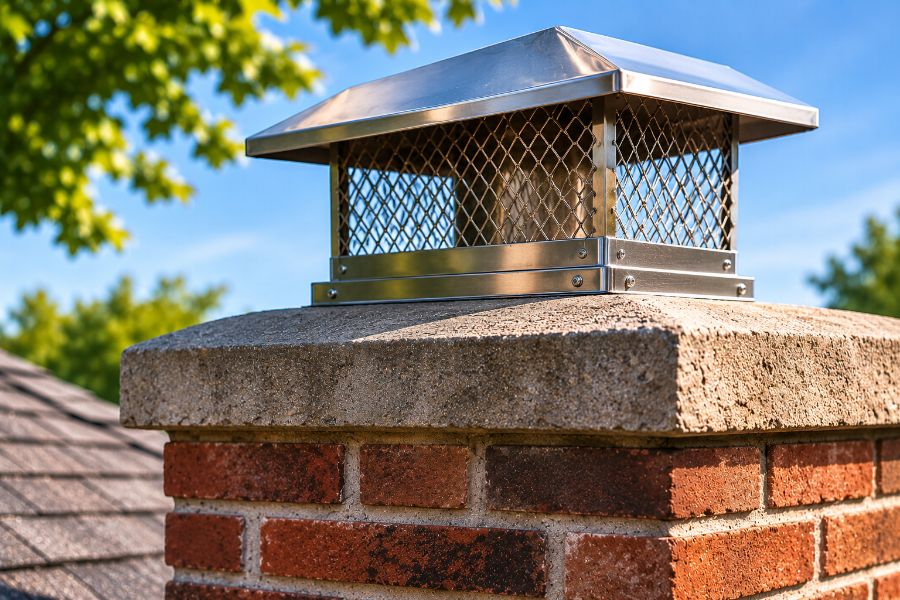
A properly fitted chimney cap has a mesh screen that keeps animals out while letting smoke escape. It also keeps rain and snow from pouring straight down the flue, which matters more than people think. Water rusts dampers, damages liners and breaks down masonry from the inside. Caps also get knocked off in strong winds, so a chimney that had one when you bought the house may not have one now.
Don’t Skip the Damper
The damper is the other line of defense. When it’s rusted, warped or won’t close, you lose heat all winter and there’s less standing between the outdoors and your living room. We repair and replace dampers along with caps.
Clearing Out What’s Already There
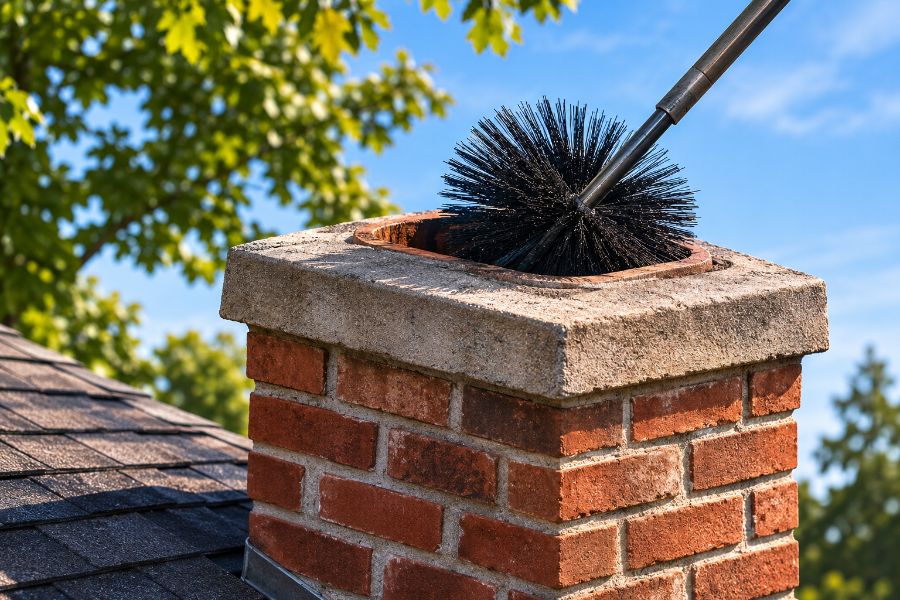
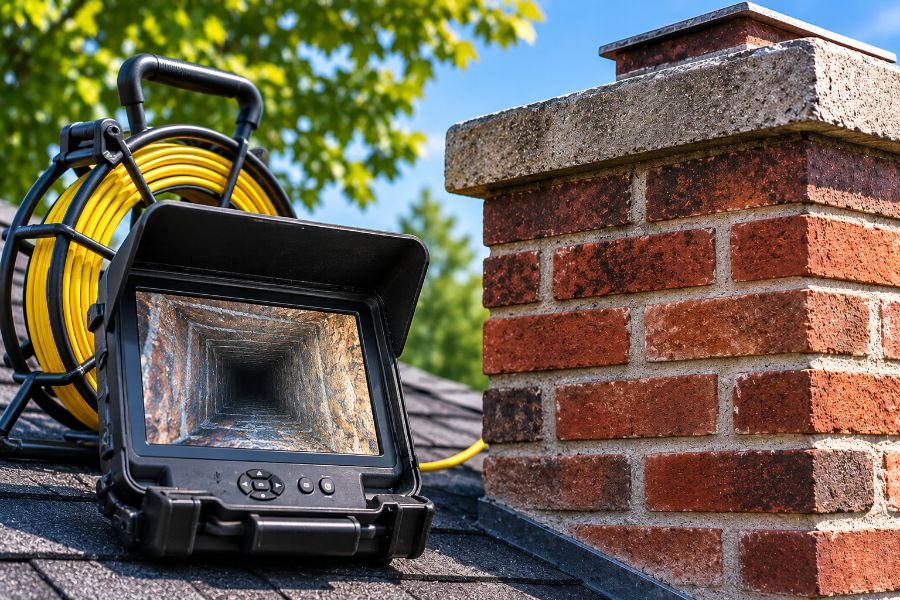
If something has nested in your chimney, the flue needs to be cleaned before you use it. A chimney sweeping removes the nesting material along with soot and creosote. If the animal was in there a while, we may recommend a chimney inspection with our camera to check the liner for damage.
What an Animal Leaves Behind
Getting the animal and its nest out is only half the job. Birds and raccoons can scratch at a clay flue liner, tear the screen off an old cap or push the damper out of position trying to get in or out. Droppings and wet nesting material hold moisture against the masonry and the damper plate, which speeds up rust and decay.
After a removal, we look closely at the liner joints, the damper and the smoke chamber just above it. If the camera shows cracked tiles, the chimney shouldn’t be used until the liner is repaired. Most of the time the damage is minor, but it’s worth knowing for sure before you light a fire under it.
Stainless Caps Built to Last
A cheap cap can rust out in a few years, and a loose one is easy for a determined raccoon to pry off. We install stainless steel chimney caps, and they come with a lifetime warranty. The cap is sized to your flue and fastened so wind and wildlife can’t easily move it.
Some chimneys have more than one flue, for example a fireplace flue next to a furnace or water heater flue. Each opening needs protection. We’ll make sure every flue on the chimney is covered, not just the one you use for fires.
Lake Wind and the Top of the Chimney
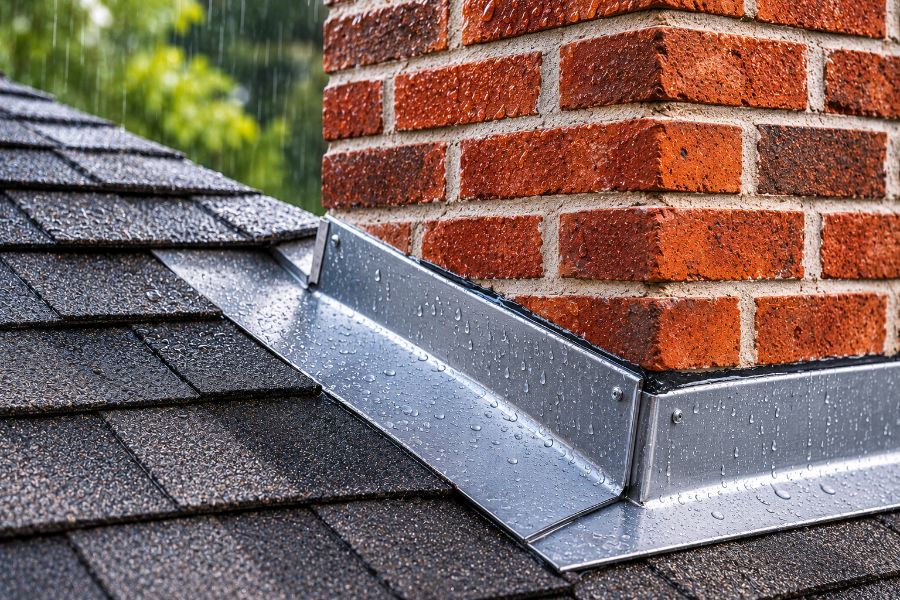
Open water and open ground around Saylorville Lake let the wind build up speed. Polk City homes catch a lot of it, and the chimney is the tallest thing on the roof. Wind is what loosens caps, but it also drives rain sideways into cracks in the crown and under the edges of the flashing.
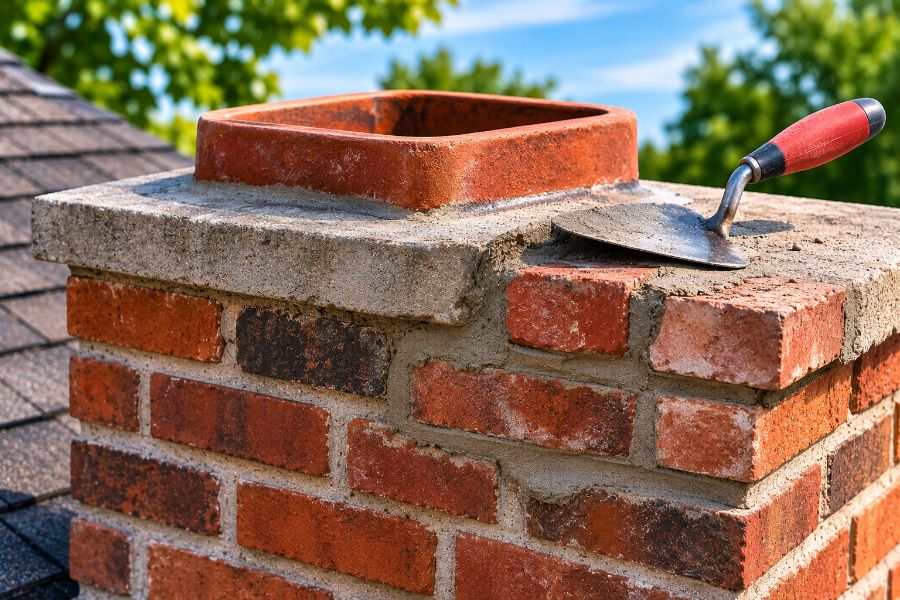
A crown that’s cracked lets water soak into the brick from the top down, and the freeze-thaw cycle opens those cracks wider each winter. If we see trouble up there, our chimney crown repair can seal or rebuild it. For brick that’s already soaking up water, a breathable waterproofing treatment helps it shed rain without trapping moisture inside.
Keep an Eye Out Year Round
Wildlife doesn’t keep a calendar. Squirrels and birds look for nesting spots in spring, and raccoons look for a warm, dry den as fall turns cold. A glance at the top of the chimney from the driveway every few weeks is enough to notice a missing cap or a nest poking out of the flue.
If you hear something, don’t light a fire to smoke it out. That can trap the animal, start a fire in the nesting material, or push smoke into your house. Close the damper, keep the fireplace doors shut and give us a call.
Birds Like Dryer Vents Too
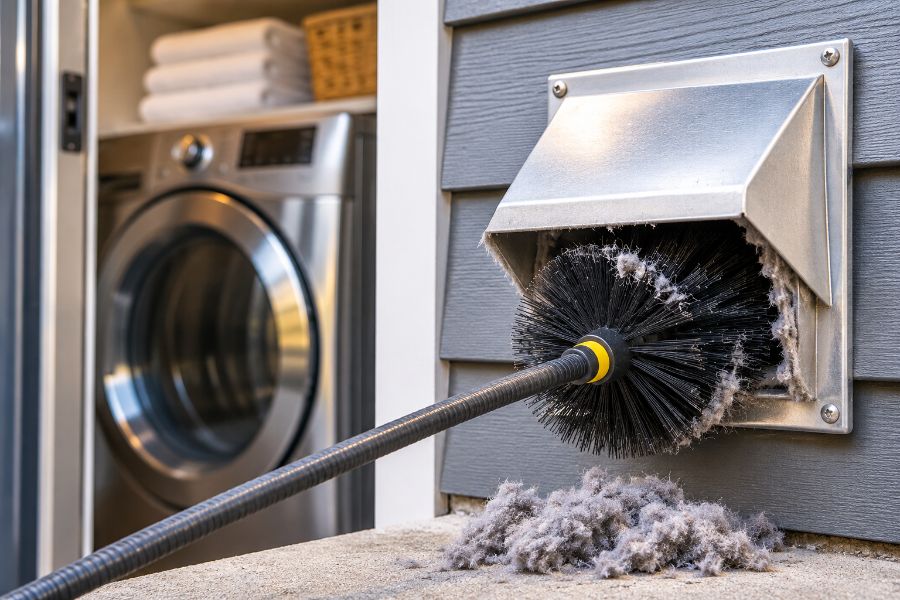
The chimney isn’t the only opening on a Polk City house that wildlife takes an interest in. The outside hood on a dryer vent is warm, sheltered and often has a flap that doesn’t close all the way. Birds will build nests right inside it, and a nest packed with lint is a fire risk as well as a blockage.
If the flap on your dryer vent stays shut while the dryer runs, or you see twigs and grass sticking out of the hood, the vent needs attention. Our dryer vent cleaning clears out nesting material along with lint, and our technicians check the run for damage animals may have caused. Homes near the lake and the state park see this often enough that it’s worth adding to your spring walk-around.
The same goes for bath and kitchen exhaust hoods. Anything that leads into the house and stays warm will eventually get a visitor if it isn’t screened or capped. For Polk City homeowners, a quick look at every opening on the outside of the house each spring catches most of these before they become a problem.
The Crew That Clears Your Flue
We’re a family owned and operated company that has been doing this work for 24 years. Tom Hunkele, our owner, served as President of the National Chimney Sweep Guild. A CSIA Certified Chimney Sweep and a Certified Chimney Professional are both part of the crew. We use drop cloths and a HEPA vacuum, and we stand behind a mess-free job.
One more tip for lake-area homes: if you only use the fireplace on holidays or weekends, the chimney can sit idle for months at a time. That quiet stretch is exactly when animals move in, so a quick look up the flue before the first fire of the year is a good habit.
We also serve Ankeny and Johnston, just down the road.
Hearing noises in the chimney or missing a cap? Call (515) 249-6337 or request an appointment.