
De Soto is a small Dallas County town west of Des Moines, near I-80 between Van Meter and Adel. Like any Iowa town, its homes spend months with windows shut and heating appliances running. That’s when venting matters most. Top Notch Chimney Sweep & Services has been cleaning and inspecting chimneys and vents across Central Iowa since 2002, and carbon monoxide is one of the main reasons we do this work.
Where Carbon Monoxide Comes From
Carbon monoxide is produced whenever fuel burns: wood in a fireplace, gas in a fireplace or log set, gas in a clothes dryer. You can’t see it or smell it. In a working system, it goes up the chimney or out the vent with the rest of the exhaust. When the path is blocked or broken, it can come back into the house.
Chimneys: Keep the Path Clear
A chimney carries smoke and gases out only if the flue is open and intact. Things that can get in the way:
- Heavy creosote buildup narrowing the flue
- Nests, leaves and debris from an uncapped chimney
- Fallen pieces of a deteriorating clay liner
- A damper that doesn’t open fully
- Cracks in the liner that let gases leak into the walls around the chimney
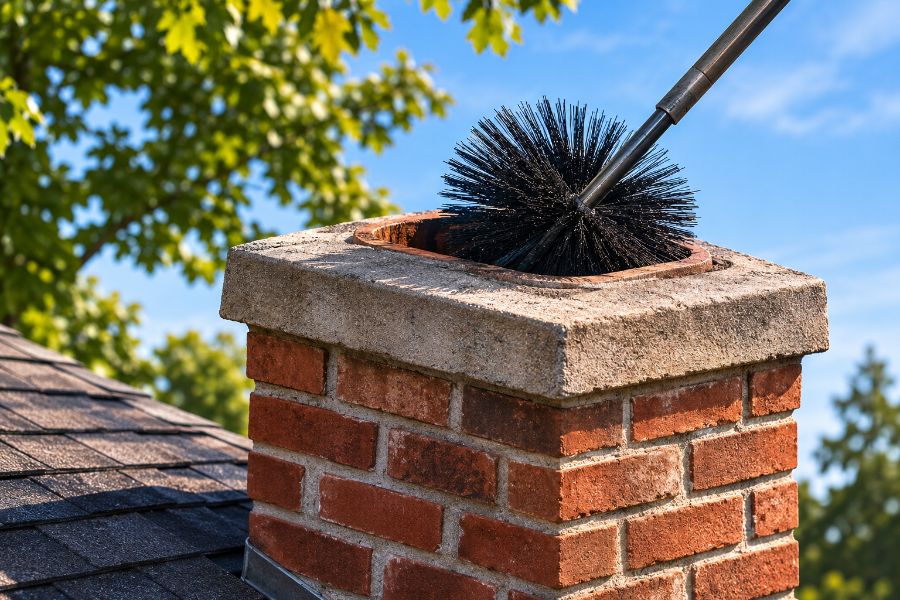
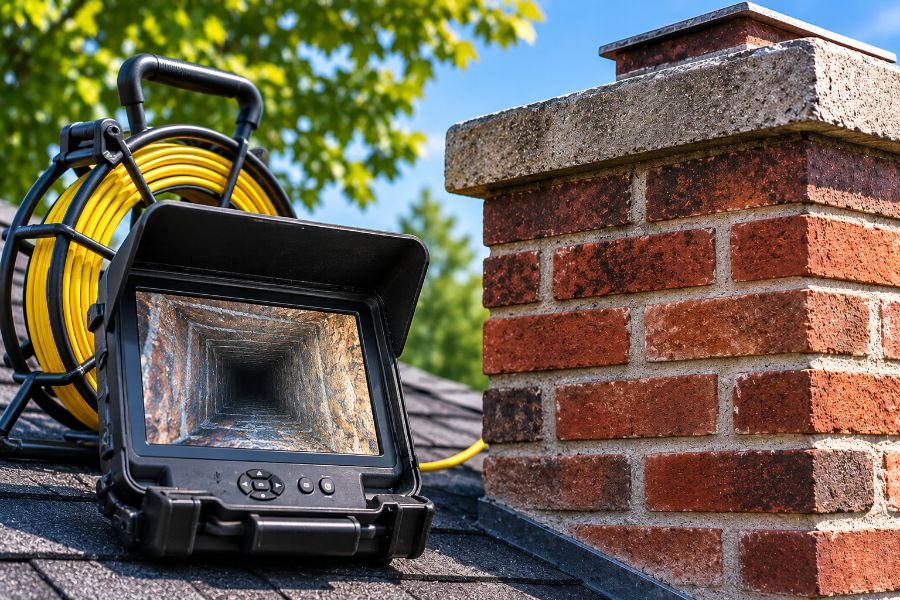
An annual chimney sweeping clears the flue, and a chimney inspection with our camera checks the liner for cracks and gaps. If the liner is damaged, we can repair or replace it.
Gas Fireplaces and Log Sets
Vented gas logs need a working chimney and an open damper to send exhaust outside. If the flue is blocked or the damper is closed, using them can be a serious hazard. Vent-free units are designed differently, but they still need to be set up and running correctly. Our gas log service checks for proper installation, ventilation, burner condition and log placement. Soot on the glass or logs is a sign something isn’t burning right.
Gas Dryers
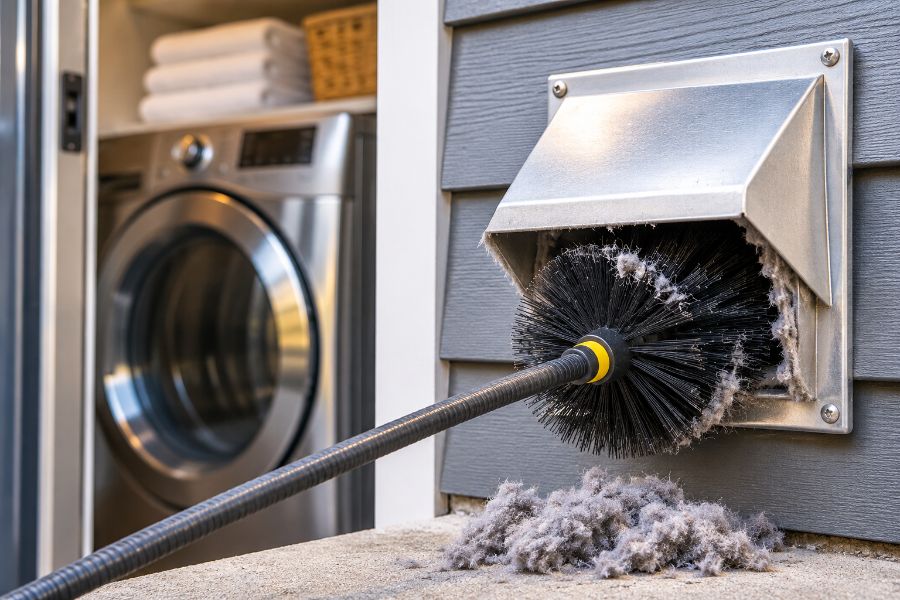
A gas dryer vents its exhaust through the same duct that carries lint. When lint clogs the vent, carbon monoxide can back up into the laundry room. A clogged vent is also a fire risk. A certified dryer vent cleaning clears the full run to the outside.
Protect Yourself Between Visits
Install carbon monoxide detectors on every level of the home and near sleeping areas, and test them regularly. Headaches, dizziness or nausea that ease when you leave the house can be a warning sign. If a detector goes off, get everyone outside and call 911.
A Shut-Up House Changes the Draft
In winter, De Soto homes are closed tight against the cold. That’s good for the heating bill, but it means the house has fewer ways to bring in fresh air. Bath fans, the range hood and the clothes dryer all push air outside. If the house can’t replace it through small leaks, it may pull air down the chimney instead.
When that happens while a fire is burning or embers are dying down, exhaust gets drawn back into the room. Cracking a window near the fireplace while you have a fire, and not running big exhaust fans at the same time, helps the chimney win that tug of war.
Nests Are a Common Blockage
An uncapped chimney is an easy home for birds, squirrels and raccoons. A nest can fill the flue completely, often over the summer when nobody is using the fireplace. The first fire of fall then has nowhere to send its smoke and carbon monoxide.
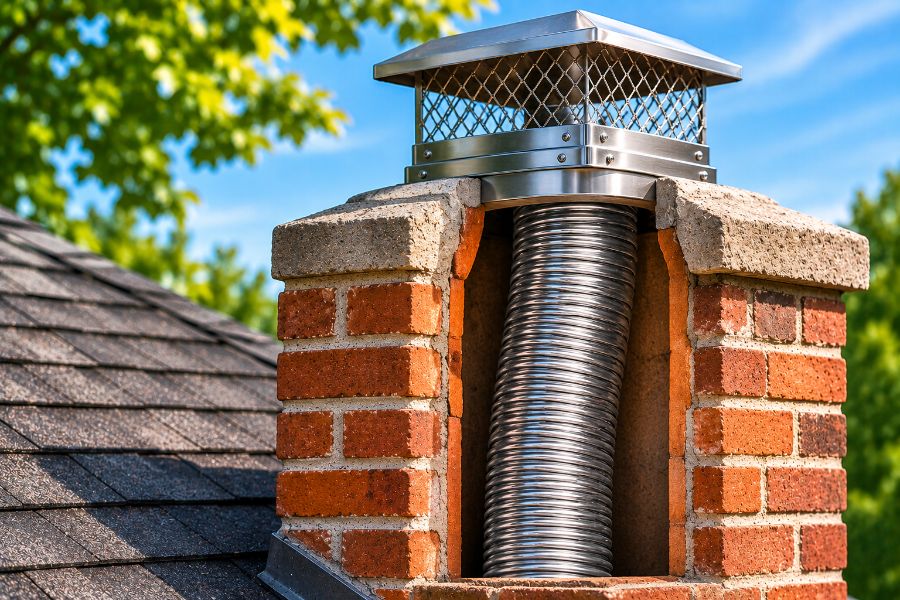
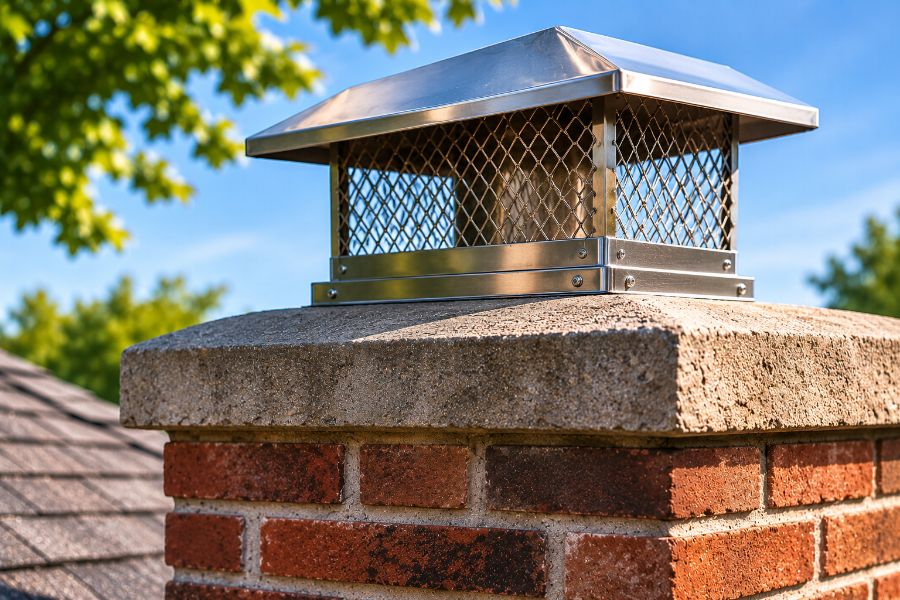
A properly fitted chimney cap with a mesh screen keeps animals out while letting exhaust escape. Our stainless steel caps are covered by a lifetime warranty. If you hear scratching or chirping in the chimney, don’t light a fire. Call us to clear it first.
Cracked Liners Let Gases Wander
The flue liner keeps exhaust inside the chimney until it’s out of the house. A clay liner with cracked tiles or open joints can let gases seep into the masonry and toward the living space. You can’t see that damage from the firebox. Our camera can.
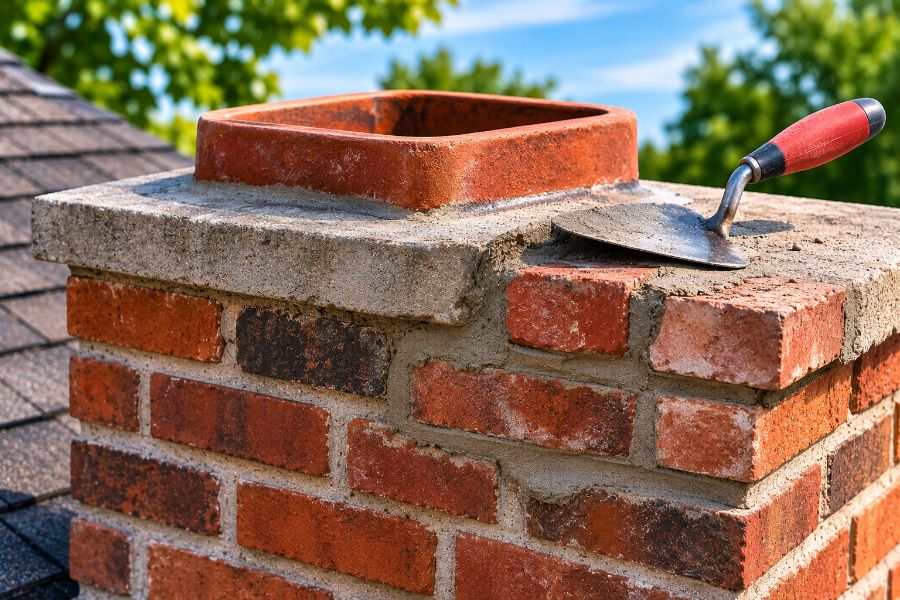
When a liner is damaged, there are options. Clay tile liners can often be restored with HeatShield, and badly damaged or missing liners can be replaced with stainless steel. Our chimney relining page explains how each works.
After a Chimney Fire
Some chimney fires are loud and obvious. Others burn quietly and go unnoticed. Signs include flaky, puffy creosote on the damper or smoke shelf, pieces of tile in the firebox, warped metal parts or cracks on the outside of the chimney. A chimney that’s had a fire can have a damaged liner even if it looks fine at the firebox.
After any suspected fire, have a Level 2 inspection done before you burn again. It includes a full camera look at the flue, which is the only way to see whether the liner can still safely carry exhaust out of the house.
Other Appliances on the Chimney
In some older De Soto homes, the chimney carries more than fireplace smoke. A furnace or water heater may vent into a separate flue in the same chimney. If that flue gets blocked by debris or a broken tile, those appliances can spill exhaust too. During an inspection we look at every flue in the chimney, not just the one over the fireplace.
Watch the Outside Vents in Winter
Snow and ice can block vents from the outside. A dryer vent hood low on the wall can get buried in a drift, and a frozen flap can stick shut. After a heavy snowfall in De Soto, take a walk around the house and clear any vent openings you can safely reach. If the dryer starts taking much longer than usual right after a storm, a blocked hood is a likely reason.
Schedule Before the Windows Close
The best time to have chimneys and vents checked is before heating season starts. Our off-season runs April through August, and appointments are easiest to get then. Once fall arrives, the calendar fills with urgent calls. A De Soto home that’s had its chimney swept, its liner checked and its dryer vent cleared over the summer goes into winter with clear exhaust paths and one less thing to worry about.
Gas fireplaces get the same treatment. A unit that sat unused all summer can collect dust on the burner or debris in the vent, and either one affects how cleanly it burns.
Our Credentials
Top Notch is a family company with 24 years in the trade. A CSIA Certified Chimney Sweep handles the work in your home, and we also have a Certified Chimney Professional on staff. Tom Hunkele, our owner, has served as President of the National Chimney Sweep Guild.
We also serve Van Meter and Adel.
Want your venting checked before winter? Call (515) 249-6337 or request an appointment.