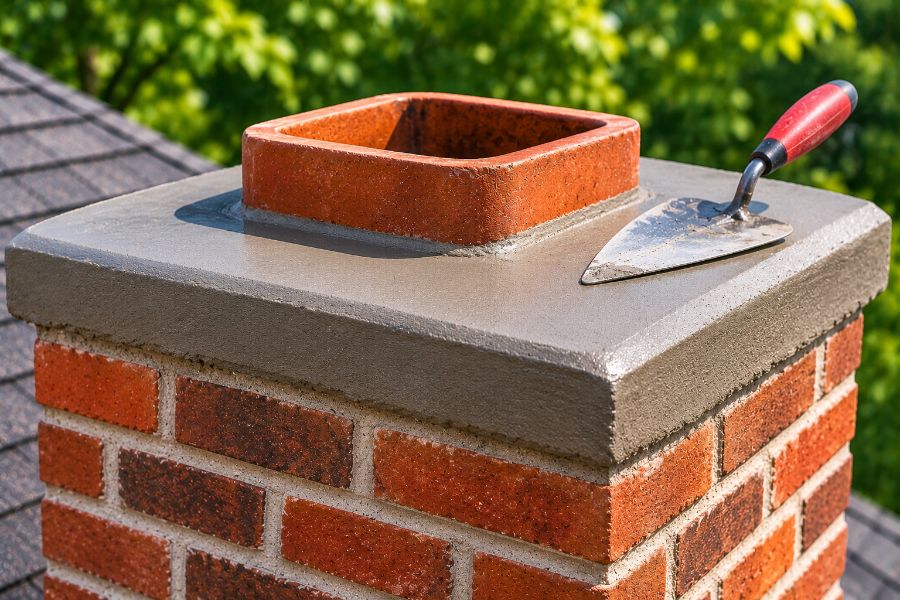
Cumming is a small Warren County town southwest of Des Moines, just off I-35 and along the Great Western Trail. A lot of new families have moved into the area, and many of them are using a fireplace for the first time. Top Notch Chimney Sweep & Services is family owned and operated, and we’ve been helping Central Iowa homeowners burn safely since 2002. A yearly sweep handles the chimney. The habits below handle the rest.
Before You Light It
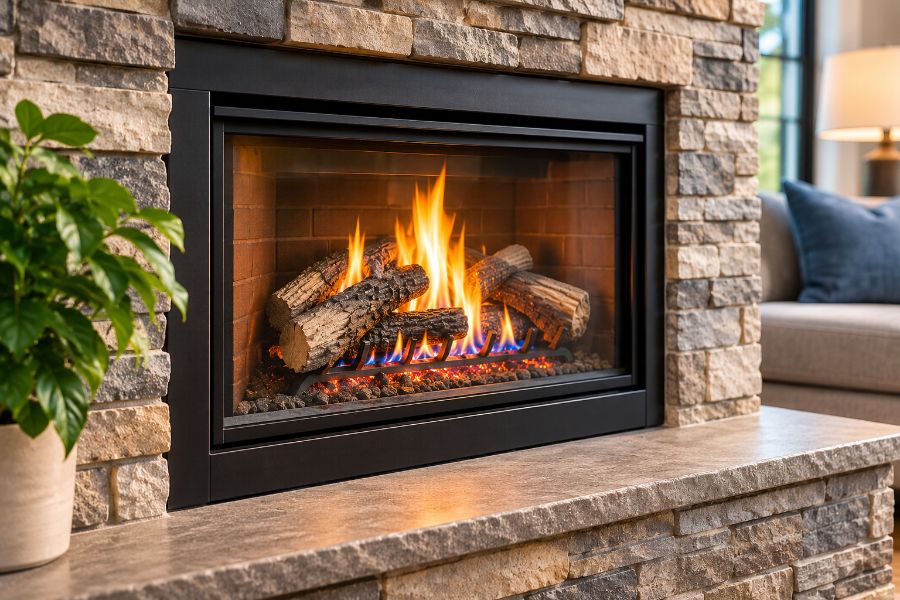
- Open the damper all the way, and check that it actually opened.
- Clear anything flammable away from the hearth: blankets, decorations, kids’ toys, newspapers.
- Use dry, seasoned firewood. Wet wood smokes, smolders and builds creosote faster.
- Never use gasoline, lighter fluid or other accelerants to start a fire.
While It’s Burning
Keep the fire a reasonable size
A fireplace isn’t an incinerator. Overloading it with wood, or burning cardboard, wrapping paper or trash, makes a hot, unpredictable fire and can ignite creosote in the flue.
Use a screen or glass doors
Sparks and rolling logs are how hearth rugs and floors get burned. A screen or doors keep everything inside the firebox.
Watch kids and pets
Glass doors and the area around the firebox get very hot. A hearth gate is worth considering if you have little ones.
Don’t leave it unattended
Let the fire burn down before you go to bed or leave the house. Leave the damper open until the embers are completely out.
Afterward: Handling Ashes
Ashes can hold live embers for days. Shovel them into a metal container with a tight lid, set it outside on a non-combustible surface away from the house and deck, and never put them in a paper bag, cardboard box or plastic trash can.
Detectors Matter
Every home with a fireplace, gas appliance or attached garage should have working smoke and carbon monoxide detectors. Test them monthly and change batteries on a schedule.
The Part We Handle
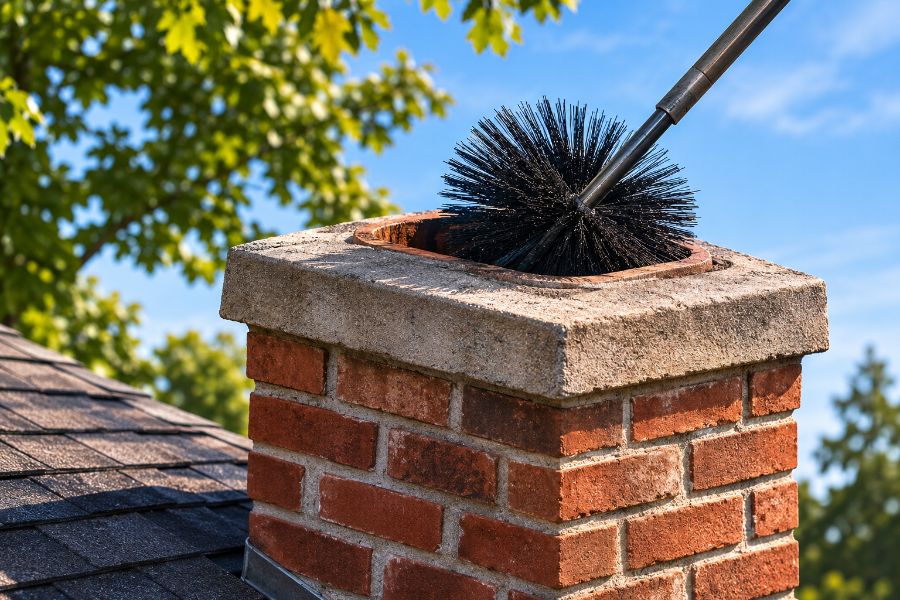
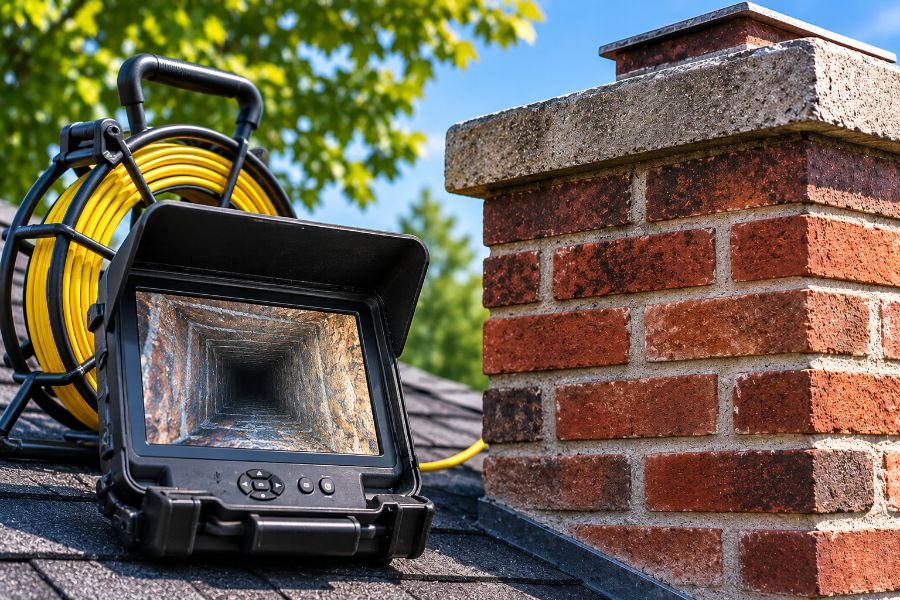
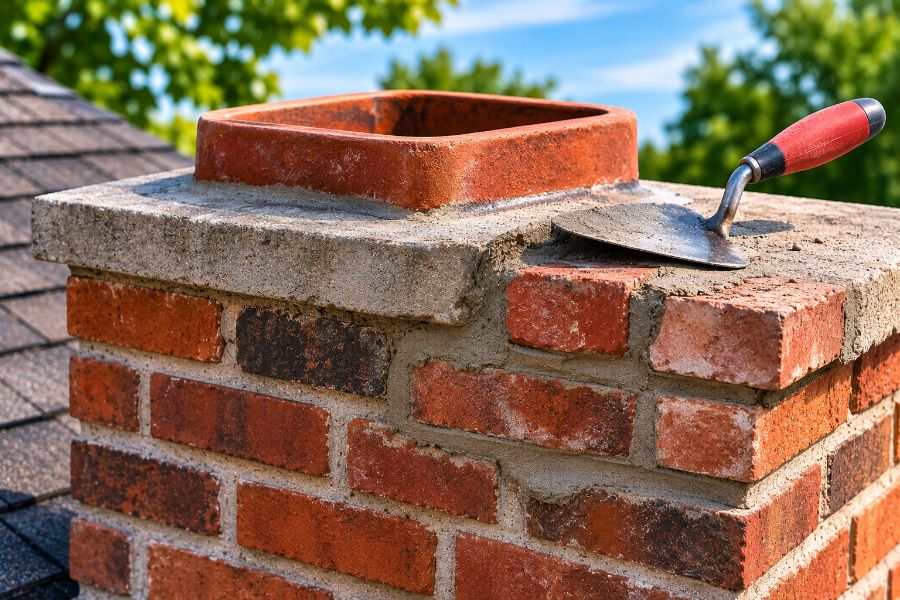
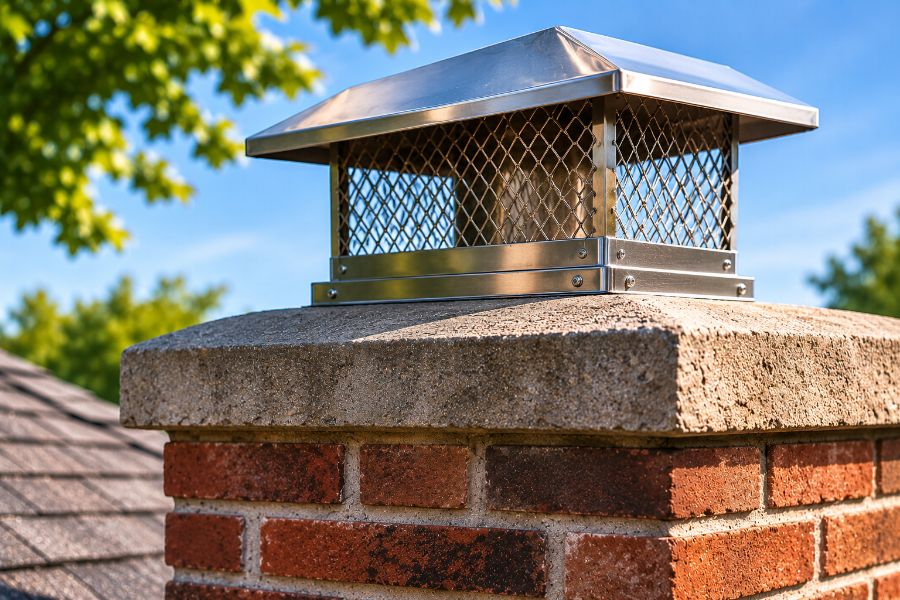
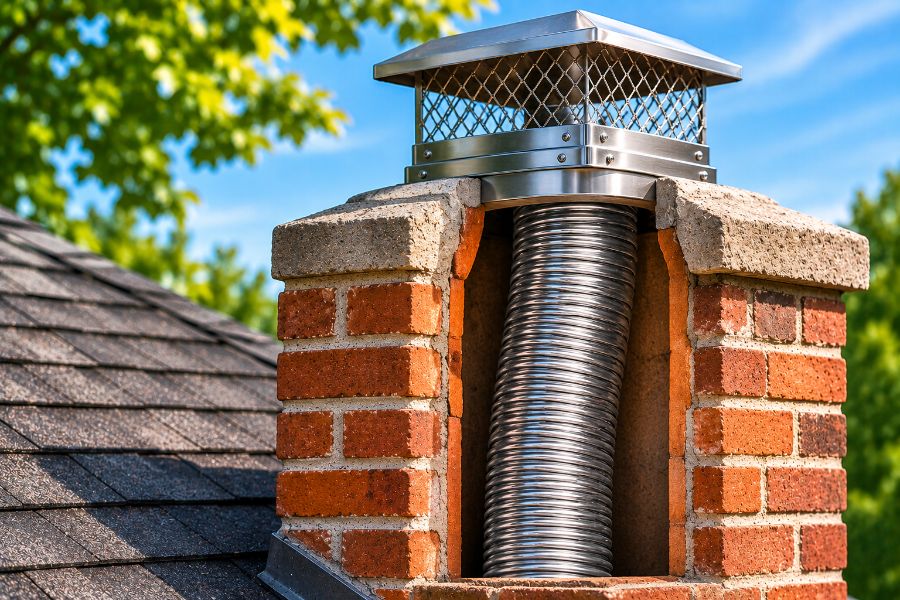
Good habits can’t remove creosote or spot a cracked liner. An annual chimney sweeping cleans the flue, and a chimney inspection with our camera checks the parts you can’t see. A good chimney cap keeps animals, rain and debris out. If you have a gas fireplace, our gas log service covers the burner, logs and venting.
Habits for Gas Fireplaces
Many newer Cumming homes have a gas fireplace instead of wood. Gas is easier to live with, but it has its own safety habits:
- Treat the glass front as a hot surface. It can stay hot long after the flame goes out.
- Keep decorations, blankets and furniture away from the unit, the same as with wood.
- If you smell gas, don’t turn anything on or off. Leave the house and call your gas company from outside.
- Watch the flame. A steady, mostly blue flame is normal. A tall, lazy yellow flame or soot on the glass means it’s time for service.
Our gas log service checks the burner, pilot, valves, log placement and venting once a year.
Laundry Room Habits
Lint is flammable and dryers run hot, but the habits that keep a dryer safe are simple. Clean the lint screen before or after every load. Don’t run the dryer while you’re asleep or away from home. Keep boxes, laundry baskets and cleaning supplies from crowding the back of the machine. Every few months, step outside while the dryer runs and check that air is blowing out of the vent hood.
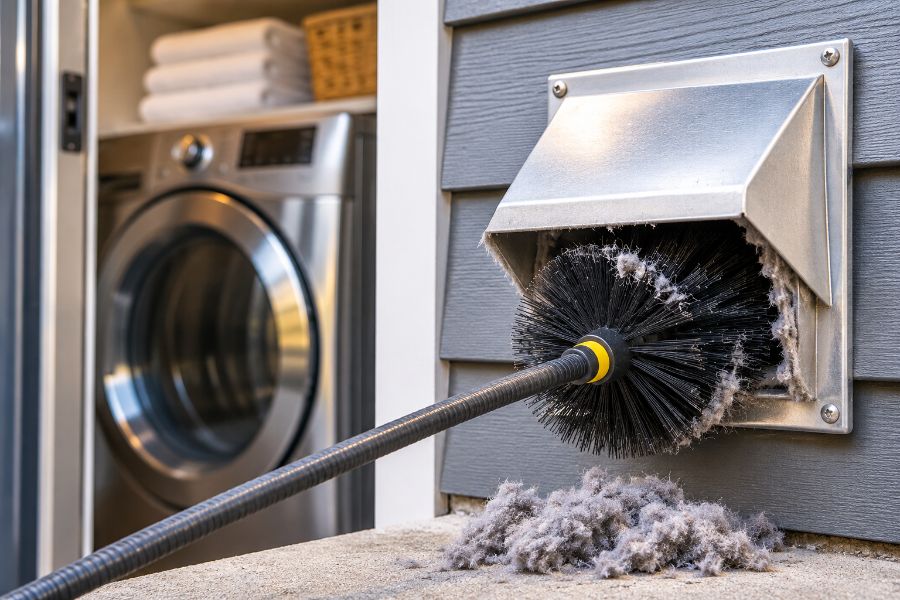
If clothes take longer than one cycle to dry, or the top of the dryer is hot to the touch, the vent is likely clogged. A certified dryer vent cleaning clears the full run.
Know What Kind of Fireplace You Have
Safety rules depend partly on the equipment. A masonry fireplace has a brick or stone firebox and a chimney built on site. A factory-built fireplace is a metal unit with a metal flue, designed and tested as a complete system. Factory-built units should only get parts made for that specific model, and they’re not meant for oversized fires.
If you’re not sure which you have, we can tell you on our first visit. For repairs to a prefab unit, see factory fireplace repair.
Why Creosote Is the Big One
Creosote is the dark, sticky or flaky residue that wood smoke leaves inside the flue. It’s flammable, and it’s what fuels most chimney fires. Cool, smoky fires make more of it. So does damp wood, a damper that’s partly closed or a fire that smolders for hours. A sweep removes it, and good burning habits slow down how fast it comes back.
Holidays at the Hearth
December brings stockings, garland and candles to the mantel just when the fireplace gets the most use. Keep anything that can burn well above and away from the firebox opening. Hang stockings from the mantel only when the fire is out, and don’t toss holiday wrapping or boxes into the flames. A Cumming living room full of family is the best reason to keep the season’s fires small and steady.
Teach the Whole Household
Safe habits only work if everyone in the house knows them. Walk older kids through how the screen and damper work, where the fire extinguisher is kept and why nothing goes into the fire except firewood. Make sure every adult knows how to shut off a gas fireplace. Plenty of Cumming families have kids who are just old enough to want to help with the fire, and that’s a great time to teach them the right way.
Keep an Extinguisher Handy
A multipurpose fire extinguisher belongs in any room with a fireplace or wood stove, mounted where you can reach it without walking past the fire. Check the gauge now and then. Most people never need it, but when a log rolls out onto the carpet, seconds count.
For homes around Cumming with a fire pit out back as well as a fireplace inside, the same ash rule applies to both: metal container, tight lid, well away from the house.
The Family Behind the Sweep
We’re the Hunkele family, and we’ve been sweeping chimneys since 2002. Tom, our owner, is a Past President of the National Chimney Sweep Guild. A CSIA Certified Chimney Sweep and a Certified Chimney Professional are part of our team. We protect your floors and leave a clean hearth.
If you’re new to wood burning, it’s worth learning how your fireplace behaves on a calm evening before you try it with a houseful of guests. Get a feel for how the damper works, how quickly the room warms up and how long the fire takes to burn down.
We also serve Norwalk and West Des Moines.
Time for your yearly sweep? Call (515) 249-6337 or schedule online.