
Mitchellville is east of Des Moines in Polk County, along US-6 just off I-80. When the first cold snap rolls in, a lot of Mitchellville homeowners reach for the matches. A few minutes of checking first can save you a smoky room or something worse. Top Notch Chimney Sweep & Services has been helping Central Iowa families get their fireplaces ready since 2002.
Your Pre-Fire Checklist
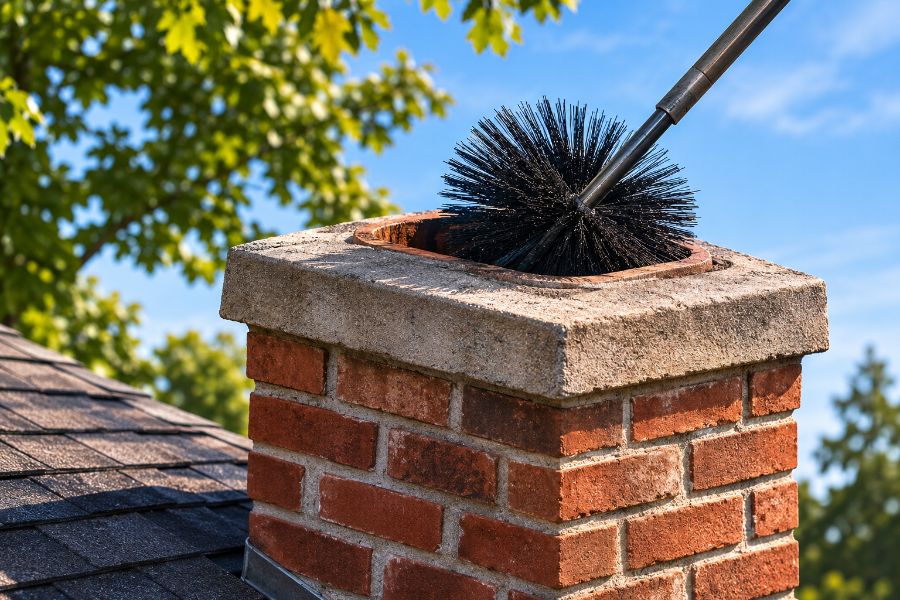
Things you can check yourself
- Look up from the yard. Is the cap still on top? Any loose or missing bricks?
- Open and close the damper. It should move freely and seal when closed. Rust flakes or a stuck handle are a sign of moisture.
- Shine a light up the flue. Look for nests, leaves or obvious blockages.
- Check the firebox. Cracked or missing firebrick, or gaps in the mortar, need repair before use.
- Test your smoke and carbon monoxide detectors. Replace batteries if needed.
- Check your firewood. Seasoned wood is lighter, darker and often cracked on the ends. Wet wood smokes and builds creosote.
Things you can’t see
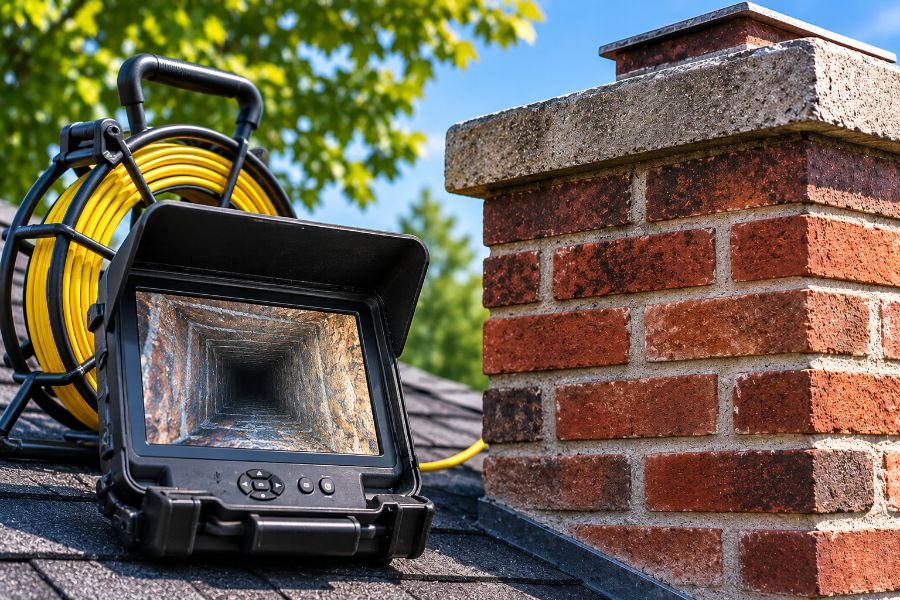
Creosote on the upper flue walls, cracks in the liner, and damage to the smoke chamber don’t show up with a flashlight. That’s what an annual chimney sweeping and chimney inspection are for. We use camera equipment to look at the full length of the flue and tell you plainly whether it’s ready to use.
Gas Fireplace Owners Too
Gas fireplaces have their own short list: make sure the pilot lights normally, the flame is blue and steady rather than tall and yellow, and the glass isn’t building up soot. Anything off, or anything that smells unusual, is a reason to shut it down and call. Our gas log service covers the burner, venting and logs.
Beat the Fall Rush
Our busiest months are the cold ones, when emergency calls fill the schedule. If you can, book your annual service in our off-season, April through August. You’ll have more choice of appointment times and the chimney will be ready before you need it.
Before we arrive, stop using the fireplace or stove for 24 hours so it can cool, scoop out the ash, and clear the area around the hearth.
What a Professional Inspection Adds
Your checklist covers what you can see from the yard and the hearth. Our inspection picks up where it leaves off. The National Fire Protection Association’s standard, NFPA 211, calls for chimneys to be inspected once a year and cleaned as needed. A Level 1 inspection covers the readily accessible parts of the chimney and fireplace. A Level 2 adds a camera run through the full flue and is the right choice when something has changed, like a new appliance, a different fuel or damage from a storm or chimney fire.
Either way, you get a plain answer about whether the fireplace is ready for the season. If it isn’t, we’ll explain what needs to happen and why.
Repairs to Finish Before You Burn
Some problems on the checklist are quick fixes. Others need to be done before the first fire, not after. Cracked firebrick and open mortar joints inside the firebox let heat reach places it shouldn’t. Our masonry repairs include firebrick and tuckpointing work.
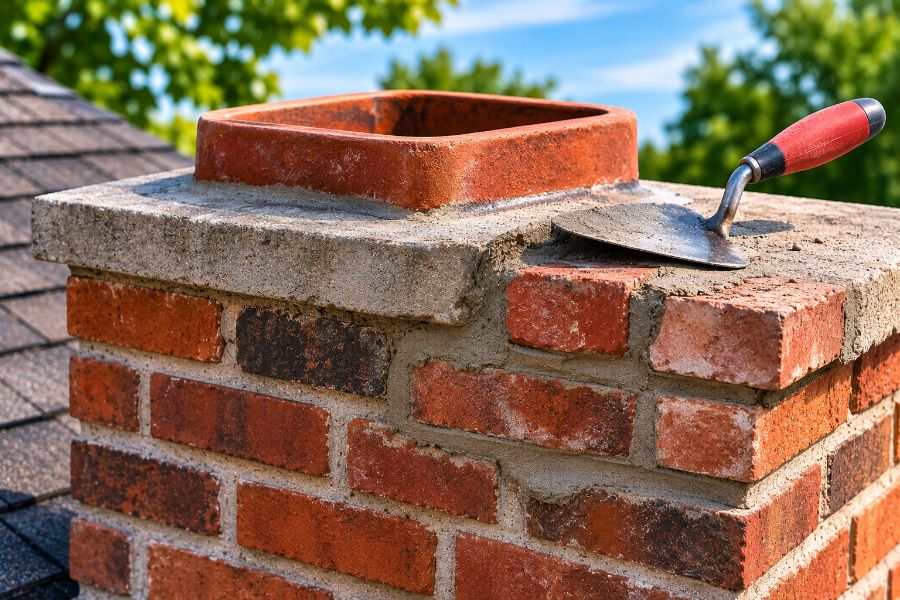
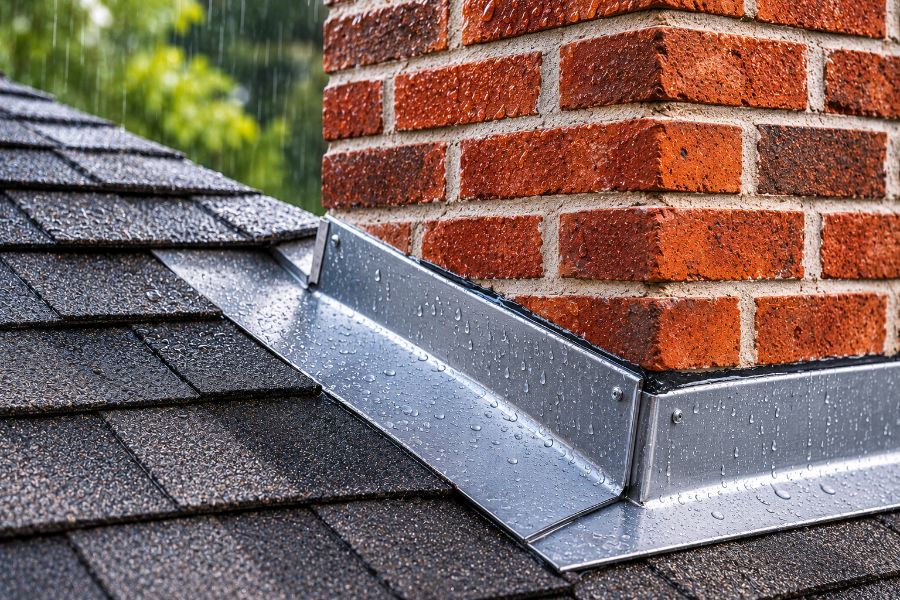
At the top of the chimney, a cracked crown lets water into the brick every time it rains. In Mitchellville, where fall rain gives way to freezing nights, that water expands and widens the crack all winter long. Getting chimney crown repair done in warm weather keeps one season’s damage from turning into several.
Stoves and Inserts Need the List Too
If you heat with a wood stove or a fireplace insert, the same checklist applies, with a few additions. Check the door gasket for gaps by closing the door on a strip of paper; if it slides out easily, the seal is worn. Look at the stovepipe for rust, sagging or loose joints. Inserts and stoves burn with less air than an open fire, so they can build creosote faster, especially on damp wood or long smoldering burns.
Plan on at least one sweep a year for a stove or insert you use regularly, and more if you burn heavily through the winter.
Mid-Season Check-In
The checklist isn’t only for October. Around the middle of winter, take a minute to look again. Is there more soot on the glass than usual? Does the fire seem harder to light or slower to draw? Is there a new smell when the fireplace is cold?
Changes like that are worth a call. If you burn a lot of wood in a cold Mitchellville winter, a second cleaning partway through the season can be the right move.
Put the Cap on Your List
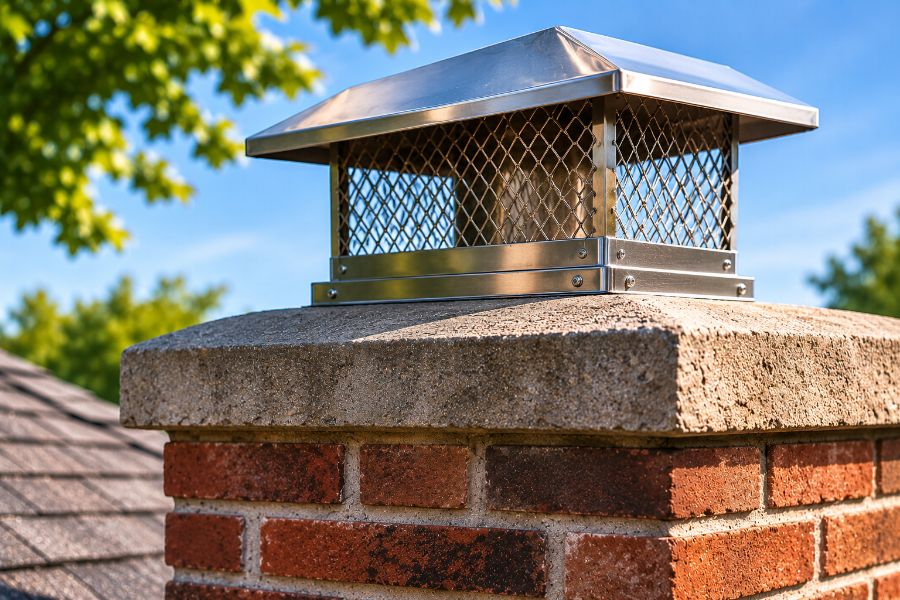
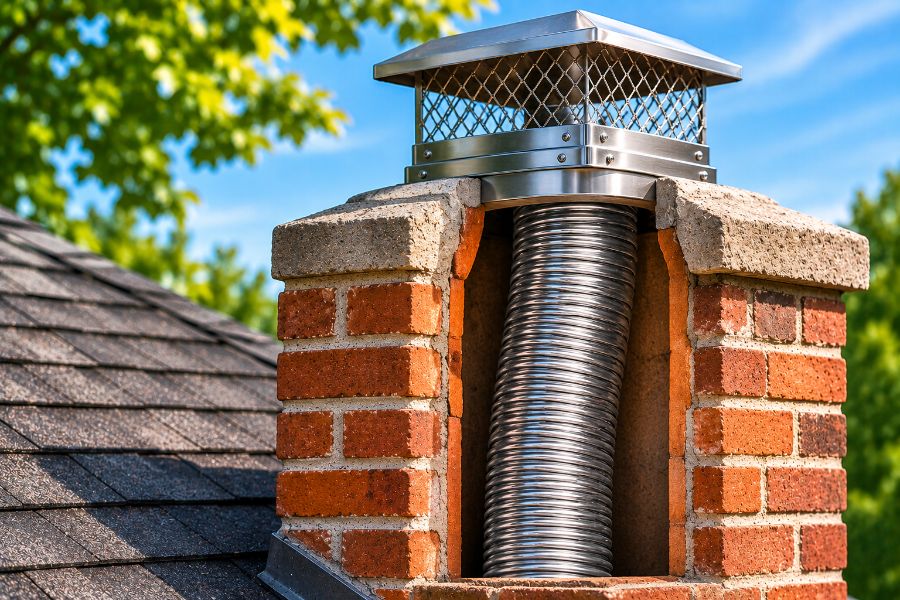
When you look up at the chimney from the yard, check that the cap is not only there but sitting straight and tight. A cap that’s tilted or missing its mesh screen won’t keep out rain, birds or squirrels. Fall is when animals look for a warm place to spend the winter, and an open flue is an easy pick.
Water coming down an uncapped flue also rusts the damper, which is why a stiff damper handle and a missing cap often go together. We install stainless steel chimney caps and dampers, and our stainless caps come with a lifetime warranty.
A Spring Look Back
When the burning season ends, think back over the winter. Did the fireplace smoke more than it used to? Did you find bits of tile or mortar in the firebox? Did a smell linger in the house on warm days? Write it down. Those notes are useful when you book your next sweep, and spring is the right time to schedule any repair work we recommended.
Homes on the edge of town and out toward the I-80 interchange get a lot of open wind, so caps and flashing take more of a beating there. Adding a look at both to your fall and spring walk-around takes a couple of minutes and catches problems while they’re still small and easy to fix.
The Crew Behind the Checklist
Our company has stayed in one family since it started in 2002. The owner once led the National Chimney Sweep Guild as its President, and he built a crew around real credentials: a Certified Chimney Professional and a CSIA Certified Chimney Sweep. Floors get covered, dust gets contained, and you get a mess-free job.
If anything on the list above turns up a problem, hold off on that first fire until it’s been looked at. A cracked firebox or a damper that won’t open is much easier to deal with in October than on a cold night in January with guests on the way.
We also work in Altoona and Prairie City.
Want the chimney ready before the first cold night? Give us a call at (515) 249-6337, or pick a time online.